- News ›
- How Acoustic Neuroma Can Be Treated Effectively
How Acoustic Neuroma Can Be Treated Effectively
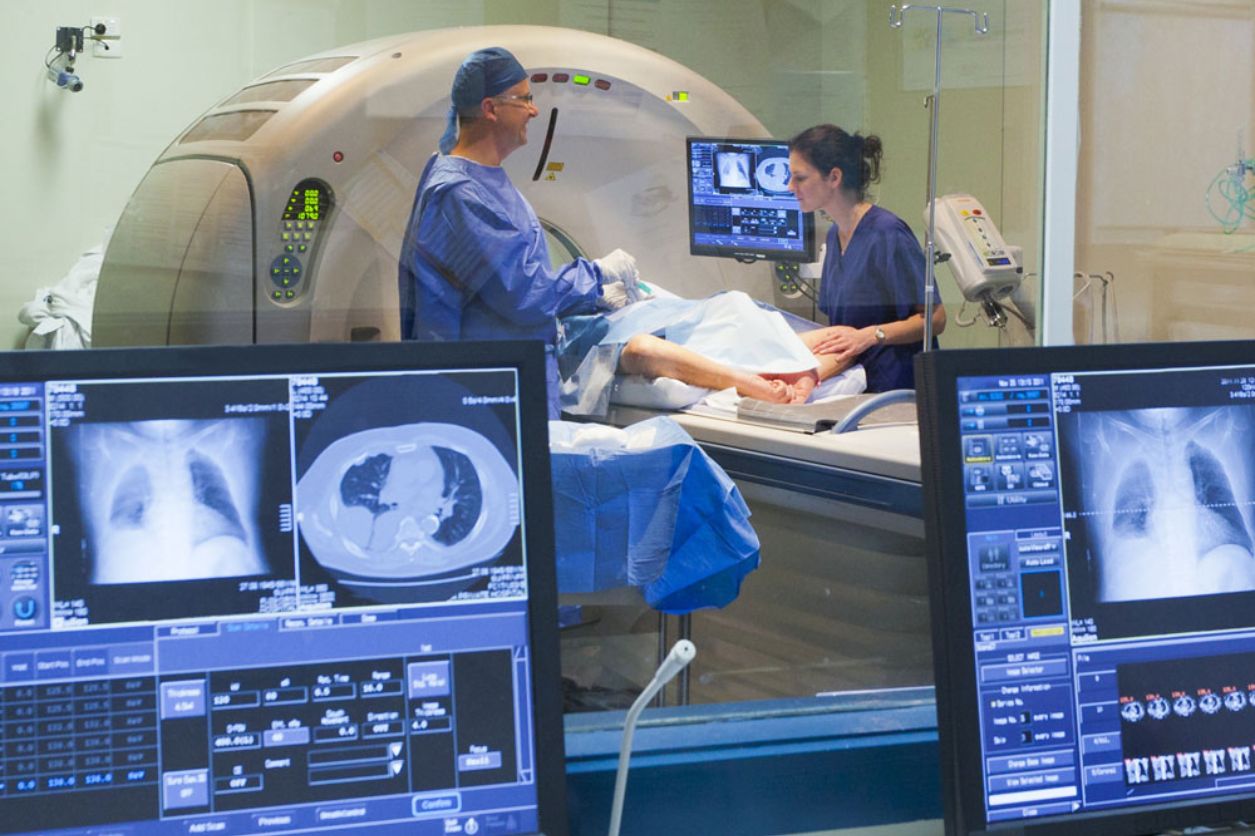
Not all tumours are cancerous, but the label of ‘benign’ can conceal the fact that such growths can still cause some major medical problems with some very unpleasant consequences.
An acoustic neuroma is a prime example. This is a tumour that grows not on the brain itself, but on the main nerve that connects the inner ear to the brain. A tumour in this location will have severe consequences.
What the tumour does is to press on the nerve and impede its function. This is significant for multiple reasons, as it can affect both the hearing itself and balance, which is another key function located in the ear. Additionally, it can lead to tinnitus, which may manifest as humming, buzzing, whooshing, or ringing sounds.
In addition, acoustic neuromas can place pressure on the trigeminal nerve, which is responsible for sensation in the facial muscles, leading to pain in some cases as well as loss of muscular function.
Any one of these symptoms can provide distress to patients and should be investigated. While problems like tinnitus, hearing loss and impeded balance can have different causes from infections to excess earwax, an acoustic neuroma is a chronic condition. Without intervention, the symptoms are likely to get worse.
Like other benign tumours, acoustic neuromas tend to be slow-growing and for this reason, it may take some time before symptoms start to manifest. Only rarely does it grow large enough to press directly on the brain and impede function.
Nonetheless, from the perspective of a patient, the key question will be what can be done to alleviate the symptoms.
While initial treatment may simply involve monitoring, this will usually be after diagnosis when the tumour is small and the symptoms are mild. However, microsurgery can be used to remove part or all of the tumour and radiotherapy can be used to shrink it.
Conservative treatment may be particularly unsatisfactory given the various symptoms that patients can suffer from, especially if these are getting notably more severe. Whether it is facial pain, hearing loss, worsening tinnitus or persistent loss of balance, these can be life-limiting conditions.
This form of radiotherapy directs very precise beams of gamma radiation, enabling the tumour to receive a very intense and powerful dose of radiation while minimising exposure of nearby tissue, which is of critical importance in a tumour lying so close to the brain.
Although there are different forms of stereotactic radiosurgery, a device known as a gamma knife is commonly used for this. Invented in the 1960s and further developed since, this device is designed for very precise delivery of radiation to shrink tumours.
It should be noted that because radiation is involved, the health risks are not zero, even if Gamma Knife treatment is used to minimise them. However, microsurgery also poses some risks. Many of these are very low, but they should be part of the informed discussion with specialists when considering treatment options.
In addition, it is important to note that monitoring alone will cease to become a feasible option if the tumour does eventually grow to a sufficient size to compress the brain itself.
Radiotherapy does produce some side effects, such as nausea, fatigue, hair loss, skin problems and gastric problems. Some effects can last for a long time, while others will soon pass away when treatment is over, such as your hair growing back.
With our skilled staff on hand, we will be able to discuss with you every aspect of your symptoms, plan a treatment pathway and support you through the process. At the end of it, you may enjoy significant relief from life-altering symptoms.
Learn more about our advanced radiotherapy treatments for acoustic neuroma on the Queen Square website.
An acoustic neuroma is a prime example. This is a tumour that grows not on the brain itself, but on the main nerve that connects the inner ear to the brain. A tumour in this location will have severe consequences.
What the tumour does is to press on the nerve and impede its function. This is significant for multiple reasons, as it can affect both the hearing itself and balance, which is another key function located in the ear. Additionally, it can lead to tinnitus, which may manifest as humming, buzzing, whooshing, or ringing sounds.
In addition, acoustic neuromas can place pressure on the trigeminal nerve, which is responsible for sensation in the facial muscles, leading to pain in some cases as well as loss of muscular function.
Any one of these symptoms can provide distress to patients and should be investigated. While problems like tinnitus, hearing loss and impeded balance can have different causes from infections to excess earwax, an acoustic neuroma is a chronic condition. Without intervention, the symptoms are likely to get worse.
Where An Acoustic Neuroma Starts
Also known as a vestibular schwannoma, this kind of tumour arises from the schwann cells in the vestibular nerve. When functioning correctly, these cells will help protect and develop other nerve cells.Like other benign tumours, acoustic neuromas tend to be slow-growing and for this reason, it may take some time before symptoms start to manifest. Only rarely does it grow large enough to press directly on the brain and impede function.
Nonetheless, from the perspective of a patient, the key question will be what can be done to alleviate the symptoms.
While initial treatment may simply involve monitoring, this will usually be after diagnosis when the tumour is small and the symptoms are mild. However, microsurgery can be used to remove part or all of the tumour and radiotherapy can be used to shrink it.
What To Do If You Are Unhappy With Your Treatment
If your current acoustic neuroma management isn’t providing sufficient symptom relief, you may wish to explore additional options. For example, after an assessment, you may receive radiotherapy for an acoustic neuroma after previous medical examinations led to it simply being monitored.Conservative treatment may be particularly unsatisfactory given the various symptoms that patients can suffer from, especially if these are getting notably more severe. Whether it is facial pain, hearing loss, worsening tinnitus or persistent loss of balance, these can be life-limiting conditions.
Radiotherapy For Acoustic Neuroma
If you do undergo radiotherapy treatment, it is important to understand what is involved. The form of treatment given will be stereotactic radiosurgery, which is commonly used for tumours of 3cm in diameter or less.This form of radiotherapy directs very precise beams of gamma radiation, enabling the tumour to receive a very intense and powerful dose of radiation while minimising exposure of nearby tissue, which is of critical importance in a tumour lying so close to the brain.
Although there are different forms of stereotactic radiosurgery, a device known as a gamma knife is commonly used for this. Invented in the 1960s and further developed since, this device is designed for very precise delivery of radiation to shrink tumours.
The Importance Of Consultation
As part of your consultation, you may discuss treatment options with our specialists. A significant benefit of using radiotherapy to treat an acoustic neuroma, apart from being less invasive than surgery, is that it has a higher rate of hearing preservation.It should be noted that because radiation is involved, the health risks are not zero, even if Gamma Knife treatment is used to minimise them. However, microsurgery also poses some risks. Many of these are very low, but they should be part of the informed discussion with specialists when considering treatment options.
In addition, it is important to note that monitoring alone will cease to become a feasible option if the tumour does eventually grow to a sufficient size to compress the brain itself.
Radiotherapy does produce some side effects, such as nausea, fatigue, hair loss, skin problems and gastric problems. Some effects can last for a long time, while others will soon pass away when treatment is over, such as your hair growing back.
With our skilled staff on hand, we will be able to discuss with you every aspect of your symptoms, plan a treatment pathway and support you through the process. At the end of it, you may enjoy significant relief from life-altering symptoms.
Learn more about our advanced radiotherapy treatments for acoustic neuroma on the Queen Square website.