- News ›
- What Conditions Cause Eyelid Twitching And What Should I Do?
What Conditions Cause Eyelid Twitching And What Should I Do?
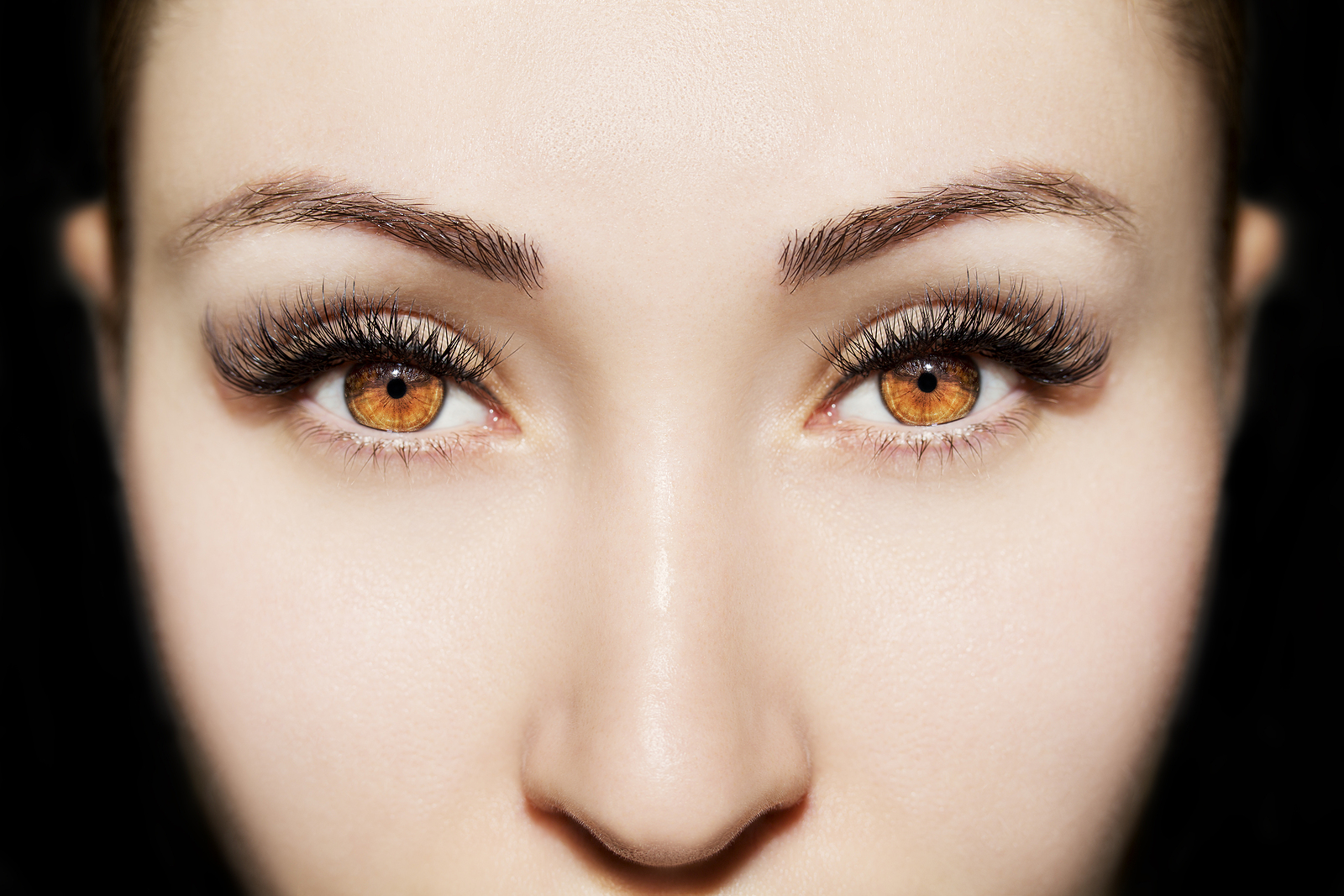
Most of us will have experienced a twitching eyelid at some point in our lives. It can be disconcerting and even uncomfortable, and for most of us the twitching will stop by itself.
That’s because factors such as stress, alcohol consumption, being tired or consuming too much caffeine can all lead to an occasional eyelid twitch. So, to begin with, an eyelid twitch on its own is often nothing serious and not indicative of any other conditions.
However, if you notice that you frequently have a twitching eyelid and it is beginning to affect your vision, you may want to seek medical advice. It’s important to remember that in the vast majority of cases, an eyelid twitch without other symptoms will not be a sign of a serious health issue.
So, what can eyelid twitching mean?
Many people find that drinking less caffeine, getting better quality sleep and reducing their stress levels can help ocular myokymia resolve on its own.
However, if you find that your eyelid twitching is occurring frequently and affecting the quality of your life, you may need other treatment to prevent the facial muscles from continuing to spasm.
There is no known cause of the condition, but we do know that it affects women more frequently than men.
Other signs of blepharospasm include irritation of your eye and light sensitivity. It often starts with small twitches in your eyelids and gradually gets worse as the condition progresses.
While this can be distressing, the good news is there are effective blepharospasm treatments available.
Among the most common is using Botox injections to relax the eyelid muscles and prevent them from spasming. While this can be very effective within just a few days, you will need regular Botox injections, normally every three to four months, to continue feeling the benefits.
Other potential treatments include changing your lifestyle to alleviate stress, as this has been found to lessen symptoms, as well as wearing tinted glasses if you know your condition is triggered by bright lights.
In extreme cases, a surgical procedure called a myectomy may be recommended. This involves removing some of the tissue from your eyelid and eyebrow muscles to reduce the symptoms you experience.
While this procedure won’t necessarily eliminate eye twitching if you have blepharospasm, research has found that it can reduce symptoms by as much as 70 per cent among patients.
The causes of hemifacial spasms are not always easy to determine. For some people, the condition is a result of blood vessels pressing on a facial nerve, or a tumour that has the same effect.
However, a cause isn’t always identified in all cases of hemifacial spasms. There are various treatment options available for this condition, including Botox injections into the affected muscles. As with blepharospasm, this procedure will need to be repeated every few months.
In cases where pressure from blood vessels is causing hemifacial spasms, you may undergo surgery where a pad is placed between the nerve and the blood vessel, which alleviates the pressure on your facial nerve. This is called microvascular decompression (MVD) surgery.
The most appropriate treatment for hemifacial spasms will depend on what is causing your condition.
Speaking to an experienced neurological consultant and undergoing an examination and series of tests will help them to determine the most appropriate course of action to help alleviate your condition.
In the first instance, see if changing the relevant part of your lifestyle can help. If the eyelid twitch persists, see a doctor to get an assessment of your conditions and if you are concerned you can always seek the opinion of a neurological specialist.
Explore the Queen Square website to learn more about how we can help with the treatment of conditions such as blepharospasm and hemifacial spasms.
That’s because factors such as stress, alcohol consumption, being tired or consuming too much caffeine can all lead to an occasional eyelid twitch. So, to begin with, an eyelid twitch on its own is often nothing serious and not indicative of any other conditions.
However, if you notice that you frequently have a twitching eyelid and it is beginning to affect your vision, you may want to seek medical advice. It’s important to remember that in the vast majority of cases, an eyelid twitch without other symptoms will not be a sign of a serious health issue.
So, what can eyelid twitching mean?
Ocular myokymia
Ocular myokymia is the medical term for an eyelid twitch where the eye muscle spasms uncontrollably. Often this is caused by the likes of tiredness, stress or too much caffeine. This means lifestyle changes can help alleviate ocular myokymia.Many people find that drinking less caffeine, getting better quality sleep and reducing their stress levels can help ocular myokymia resolve on its own.
However, if you find that your eyelid twitching is occurring frequently and affecting the quality of your life, you may need other treatment to prevent the facial muscles from continuing to spasm.
Blepharospasm
Also known as benign essential blepharospasm, this refers to a condition that is characterised by twitching of the eyelid muscles in addition to uncontrollable blinking. When you develop blepharospasm, the part of your brain that controls your eye muscles stops working properly.There is no known cause of the condition, but we do know that it affects women more frequently than men.
Other signs of blepharospasm include irritation of your eye and light sensitivity. It often starts with small twitches in your eyelids and gradually gets worse as the condition progresses.
While this can be distressing, the good news is there are effective blepharospasm treatments available.
Among the most common is using Botox injections to relax the eyelid muscles and prevent them from spasming. While this can be very effective within just a few days, you will need regular Botox injections, normally every three to four months, to continue feeling the benefits.
Other potential treatments include changing your lifestyle to alleviate stress, as this has been found to lessen symptoms, as well as wearing tinted glasses if you know your condition is triggered by bright lights.
In extreme cases, a surgical procedure called a myectomy may be recommended. This involves removing some of the tissue from your eyelid and eyebrow muscles to reduce the symptoms you experience.
While this procedure won’t necessarily eliminate eye twitching if you have blepharospasm, research has found that it can reduce symptoms by as much as 70 per cent among patients.
Hemifacial spasms
In some cases, myokymia can develop into hemifacial spasms, which affect the muscles on just one side of your face. With this condition, you can experience spasms and twitching across one side of your face, although it often starts with an eyelid twitch.The causes of hemifacial spasms are not always easy to determine. For some people, the condition is a result of blood vessels pressing on a facial nerve, or a tumour that has the same effect.
However, a cause isn’t always identified in all cases of hemifacial spasms. There are various treatment options available for this condition, including Botox injections into the affected muscles. As with blepharospasm, this procedure will need to be repeated every few months.
In cases where pressure from blood vessels is causing hemifacial spasms, you may undergo surgery where a pad is placed between the nerve and the blood vessel, which alleviates the pressure on your facial nerve. This is called microvascular decompression (MVD) surgery.
The most appropriate treatment for hemifacial spasms will depend on what is causing your condition.
Speaking to an experienced neurological consultant and undergoing an examination and series of tests will help them to determine the most appropriate course of action to help alleviate your condition.
What should I do if my eyelid is twitching?
The main message in any case is not to panic if you notice your eyelid is twitching. Think about your stress levels and how much sleep you’ve had. Notice if you’ve been drinking more caffeine or consuming more alcohol recently.In the first instance, see if changing the relevant part of your lifestyle can help. If the eyelid twitch persists, see a doctor to get an assessment of your conditions and if you are concerned you can always seek the opinion of a neurological specialist.
Explore the Queen Square website to learn more about how we can help with the treatment of conditions such as blepharospasm and hemifacial spasms.