- News ›
- What Causes Droopy Eyelids And How Can They Be Treated?
What Causes Droopy Eyelids And How Can They Be Treated?
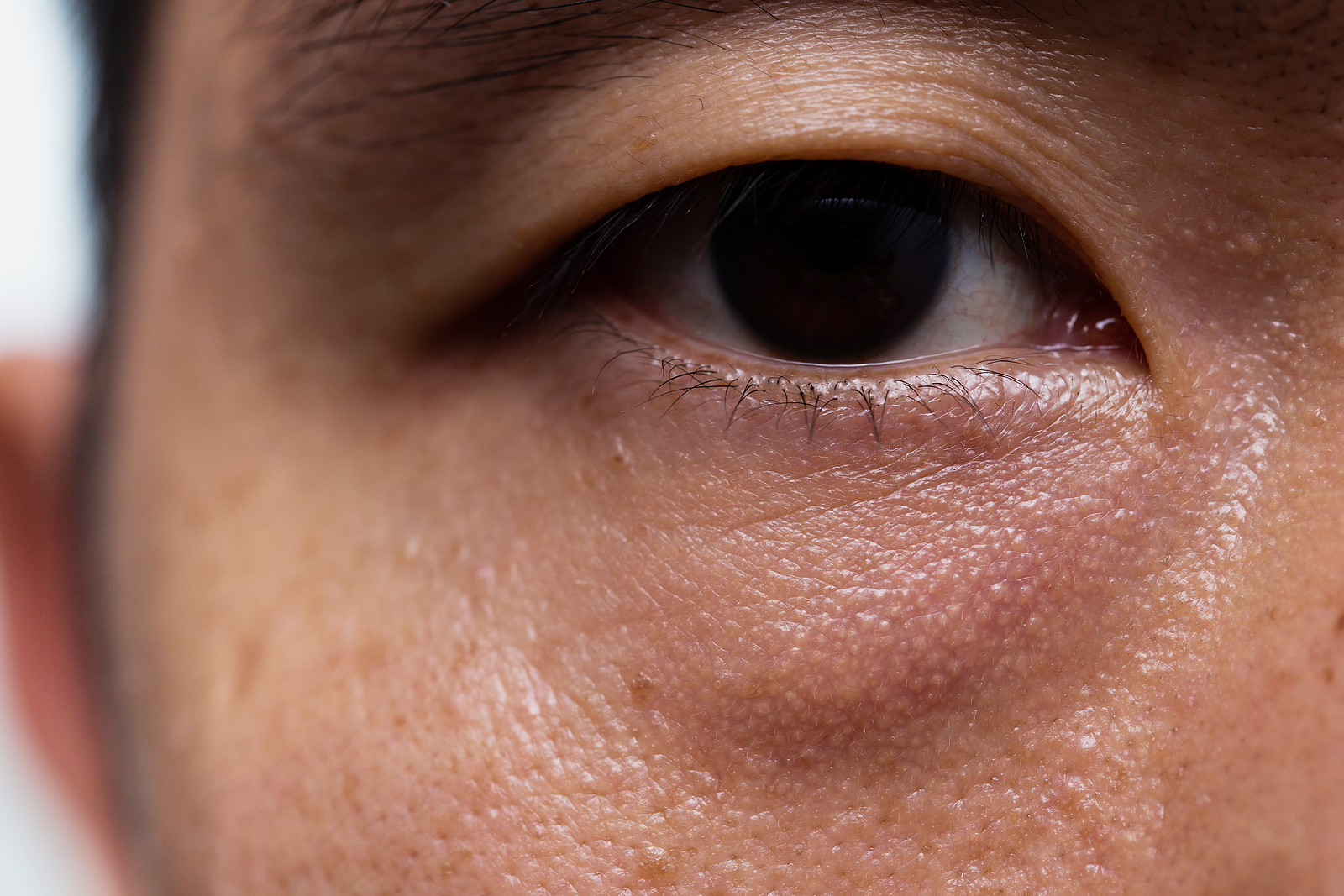
In mammals, including humans, eyelids have a simple function. When closing, they can both lubricate the eye and rest it, providing a protective and restorative action through blinking and facilitating sleep.
However, the nerves around the eye that enable all this to happen may at some stage cease to function correctly.
Of the various conditions that one may experience, droopy eyelids may seem rather minor. Saggy skin, on its own, can be caused by the same factors that cause wrinkles.
However, this condition can be more serious, and its underlying causes arise from significant issues.
It occurs as a result of a failure of the levator muscle, which lifts the eyelid.
Ptosis can come in two forms - congenital ptosis, when someone is born with the condition, or acquired ptosis, which usually occurs later in life when the levator muscle becomes weak or damaged. This may involve damage to the muscles, ligaments or nerves.
Underlying causes of such damage or weakening can vary:
As well as the impairment of vision, symptoms can include eyes being dry or watering, as well as pain around the eyes and headaches.
For example, if a tumour is responsible, this would call for interventions such as surgery to remove it, radiotherapy to shrink it by targeting cells, which is done by disrupting cell DNA with radiation, or a combination of both. Further treatment will be required if the tumour is malignant (cancerous).
The development of a tumour may be fast or slow, with malignant tumours tending to grow much faster than benign (non-cancerous) ones. This means the condition will not necessarily emerge swiftly in such instances, whereas this is likely to occur in the event of a sudden event like a stroke.
Regular eye tests can help, as an optometrist can spot the condition developing, while your doctor may also be able to examine you and refer you to a specialist.
Surgery is a common means of treating the condition. This involves initially detaching the levator muscle and the attached tendon and shortening them both, before stitching them back onto the eyelid.
This may sound (literally) eye-watering, but it can be a very effective solution as it means the upper eyelid is no longer large enough to cover your eye when it droops, preventing it from stopping the patient from seeing out of the eye.
Myasthenia Gravis may also be aided with surgery, along with medication. This, however, is a lifelong illness and drooping eyelids may be just one of several symptoms, which means the aim of medical interventions is not outright cure, but control of symptoms.
For this reason, neurosurgery to tackle an underlying issue like damage to the spinal cord, or for a tumour, could resolve Horner Syndrome, which would not only alleviate droopy eyelid symptoms, but also other symptoms associated with the condition, such as a lack of sweating on the affected side of the face.
Although all the above causes can lead to droopy eyelids, sometimes ptosis is simply caused by stress. Indeed, acquired ptosis can sometimes go away on its own, although that is no guarantee that it will not recur in the future.
Given the broad array of causes involved and possible treatments, it is important for patients to be referred to an eye specialist and in some cases, further examination will be necessary to test for underlying conditions that could pose wider problems in themselves, of which ptosis will be just one.
However, if you have been diagnosed with ptosis and come to us, we can investigate your condition thoroughly and ensure that the right course of treatment is used to tackle the underlying reasons for it.
Whether that is physical surgery, neurosurgery or radiotherapy, you can expect the best treatment, tailored specifically to your situation.
Explore the Queen Square website to learn more about our advanced neurosurgical treatments for droopy eyelids
However, the nerves around the eye that enable all this to happen may at some stage cease to function correctly.
Of the various conditions that one may experience, droopy eyelids may seem rather minor. Saggy skin, on its own, can be caused by the same factors that cause wrinkles.
However, this condition can be more serious, and its underlying causes arise from significant issues.
What Is The Medical Term For Droopy Eyelids?
The medical name for having droopy eyelids is ptosis. This condition involves the upper eyelid sagging or dropping to the point where it partially or wholly covers the eye, which impairs vision. This can affect one or both eyes.It occurs as a result of a failure of the levator muscle, which lifts the eyelid.
Ptosis can come in two forms - congenital ptosis, when someone is born with the condition, or acquired ptosis, which usually occurs later in life when the levator muscle becomes weak or damaged. This may involve damage to the muscles, ligaments or nerves.
Underlying causes of such damage or weakening can vary:
- A stye
- A tumour
- Ageing
- A stroke
- Horner Syndrome, which involves a nerve carrying signals between the brain and the head and neck being disrupted.
- Myasthenia Gravis, an autoimmune condition that affects the communication between the nerves and the muscles.
As well as the impairment of vision, symptoms can include eyes being dry or watering, as well as pain around the eyes and headaches.
What Treatments Are Available For Droopy Eyelids?
The kind of droopy eyelid treatment you need may depend in part on the cause.For example, if a tumour is responsible, this would call for interventions such as surgery to remove it, radiotherapy to shrink it by targeting cells, which is done by disrupting cell DNA with radiation, or a combination of both. Further treatment will be required if the tumour is malignant (cancerous).
The development of a tumour may be fast or slow, with malignant tumours tending to grow much faster than benign (non-cancerous) ones. This means the condition will not necessarily emerge swiftly in such instances, whereas this is likely to occur in the event of a sudden event like a stroke.
Regular eye tests can help, as an optometrist can spot the condition developing, while your doctor may also be able to examine you and refer you to a specialist.
Surgery is a common means of treating the condition. This involves initially detaching the levator muscle and the attached tendon and shortening them both, before stitching them back onto the eyelid.
This may sound (literally) eye-watering, but it can be a very effective solution as it means the upper eyelid is no longer large enough to cover your eye when it droops, preventing it from stopping the patient from seeing out of the eye.
Myasthenia Gravis may also be aided with surgery, along with medication. This, however, is a lifelong illness and drooping eyelids may be just one of several symptoms, which means the aim of medical interventions is not outright cure, but control of symptoms.
When Can Neurosurgery Treat Droopy Eyelids?
Neurosurgery can be effective when the underlying cause is due to nerve damage, with Horner Syndrome being a prime example. This syndrome is not a stand-alone condition, but the result of another underlying cause, which can include strokes and tumours, or a spinal cord injury.For this reason, neurosurgery to tackle an underlying issue like damage to the spinal cord, or for a tumour, could resolve Horner Syndrome, which would not only alleviate droopy eyelid symptoms, but also other symptoms associated with the condition, such as a lack of sweating on the affected side of the face.
Although all the above causes can lead to droopy eyelids, sometimes ptosis is simply caused by stress. Indeed, acquired ptosis can sometimes go away on its own, although that is no guarantee that it will not recur in the future.
Given the broad array of causes involved and possible treatments, it is important for patients to be referred to an eye specialist and in some cases, further examination will be necessary to test for underlying conditions that could pose wider problems in themselves, of which ptosis will be just one.
However, if you have been diagnosed with ptosis and come to us, we can investigate your condition thoroughly and ensure that the right course of treatment is used to tackle the underlying reasons for it.
Whether that is physical surgery, neurosurgery or radiotherapy, you can expect the best treatment, tailored specifically to your situation.
Explore the Queen Square website to learn more about our advanced neurosurgical treatments for droopy eyelids