- News ›
- What Should You Do After Neurosurgery To Recover Faster?
What Should You Do After Neurosurgery To Recover Faster?
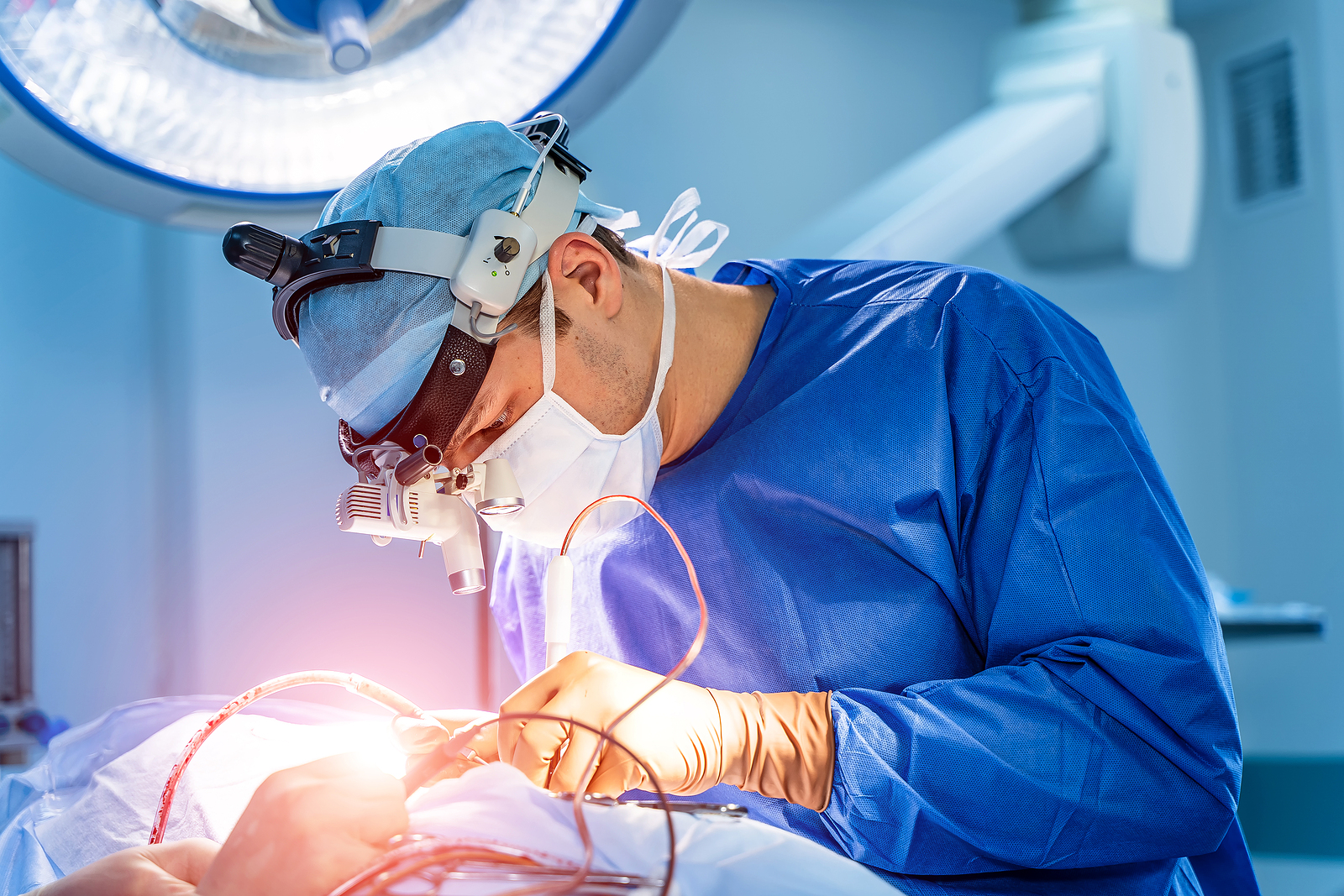
The biggest questions that we are asked as neurological specialists are typically practical considerations regarding the types of treatments we recommend, how long they take and what recovery often looks like.
The answer to the latter question can vary dramatically depending on the type of treatments pursued; radiotherapy is often an outpatient procedure where the first stages of recovery often take a matter of hours, whilst surgery often necessitates an overnight stay.
Recovery following surgery is a process that can vary from person to person and treatment to treatment, but an important aspect of post-surgery aftercare is that many small steps you take can have an outsized impact on your recovery time.
Here are some of the simple steps you can take following surgery to ensure you can recover as quickly and completely as possible.
Whilst there is a temptation to rush your recovery, particularly if you feel well and are moving around soon after treatment, make sure to listen to the instructions your doctor gives you and take it as easy as possible.
Resting is part of the healing process, and it is essential to be gentle on yourself in those early moments, both before and after you are discharged.
Movement not only helps keep muscles strong and avoids ulcers, but it also helps to reduce the effects of brain fog and fatigue, as well as speeding up digestion, which will help with processing nutrients vital for recovery.
You do not need to, nor should you immediately try to return to normal, but follow your doctor’s instructions and try to stay active where possible. Listen to your body and take it one step at a time, figuratively and literally.
The energy and nutrients food and drink give you are a vital part of recovery, and aiming to refuel as soon as possible should be a priority when you feel ready to do so.
Once you are discharged, a healthy diet and plenty of hydration are key to ensuring that recovery continues at an appropriate pace.
Your doctor will likely inform you of this during the discharge process, but you should get in touch with the DVLA as soon as possible to let them know of your medical condition and whether it may affect your ability to drive safely.
It might be the case, such as with brain tumours, that you may be required to voluntarily give up your license and reapply for it once you feel better.
Lean on your support network for errands and lifts whilst you wait.
Try to keep doing them until your doctor says you no longer need to.
Alongside the physical strain of staying upright, working is often rather stressful, which can not only harm your recovery but can also affect your decision-making at work.
If you require surgery, book time off if you can, discuss a suitable recovery schedule with your doctor and prioritise your health. Rushing to return to work can sometimes add extra time to your recovery or cause a setback.
Explore the Queen Square website to learn more about our advanced functional neurosurgery, as well as specialist radiotherapy and pain management.
The answer to the latter question can vary dramatically depending on the type of treatments pursued; radiotherapy is often an outpatient procedure where the first stages of recovery often take a matter of hours, whilst surgery often necessitates an overnight stay.
Recovery following surgery is a process that can vary from person to person and treatment to treatment, but an important aspect of post-surgery aftercare is that many small steps you take can have an outsized impact on your recovery time.
Here are some of the simple steps you can take following surgery to ensure you can recover as quickly and completely as possible.
Let Yourself Rest
In the immediate aftermath of surgery, you may feel groggy, hazy, nauseous and sometimes in pain. All of these symptoms are natural, and nursing staff will both monitor your vital signs and ensure that you are as comfortable as possible.Whilst there is a temptation to rush your recovery, particularly if you feel well and are moving around soon after treatment, make sure to listen to the instructions your doctor gives you and take it as easy as possible.
Resting is part of the healing process, and it is essential to be gentle on yourself in those early moments, both before and after you are discharged.
The Sooner You Gently Move The Better
At the same time, it is important to start gentle movements as soon as you feel ready to in order to help boost your recovery time. The earlier you start moving, the faster your recovery will be.Movement not only helps keep muscles strong and avoids ulcers, but it also helps to reduce the effects of brain fog and fatigue, as well as speeding up digestion, which will help with processing nutrients vital for recovery.
You do not need to, nor should you immediately try to return to normal, but follow your doctor’s instructions and try to stay active where possible. Listen to your body and take it one step at a time, figuratively and literally.
Refuel When You Feel Comfortable To Do So
Whilst you are recovering, you will often receive medications and hydration through an intravenous drip, but once you feel comfortable keeping down food and drink, you should try to eat a gentle, light, easy-to-digest meal.The energy and nutrients food and drink give you are a vital part of recovery, and aiming to refuel as soon as possible should be a priority when you feel ready to do so.
Once you are discharged, a healthy diet and plenty of hydration are key to ensuring that recovery continues at an appropriate pace.
Check If You Can Drive Following Surgery
Generally, you should avoid driving before you are ready, but this is especially true with neurosurgery, as it can affect your ability to drive safely.Your doctor will likely inform you of this during the discharge process, but you should get in touch with the DVLA as soon as possible to let them know of your medical condition and whether it may affect your ability to drive safely.
It might be the case, such as with brain tumours, that you may be required to voluntarily give up your license and reapply for it once you feel better.
Lean on your support network for errands and lifts whilst you wait.
Keep Doing Your Rehab Exercises
A major aspect of post-surgery aftercare is rehabilitation, which often includes physical therapy, breathing exercises and other simple steps that ensure that you remain as healthy as possible and build up your strength gradually.Try to keep doing them until your doctor says you no longer need to.
Try To Stay Off Work As Much As Possible
Whilst there are ways to continue to work from a hospital bed, it is strongly recommended that you prioritise your recovery as much as possible.Alongside the physical strain of staying upright, working is often rather stressful, which can not only harm your recovery but can also affect your decision-making at work.
If you require surgery, book time off if you can, discuss a suitable recovery schedule with your doctor and prioritise your health. Rushing to return to work can sometimes add extra time to your recovery or cause a setback.
Explore the Queen Square website to learn more about our advanced functional neurosurgery, as well as specialist radiotherapy and pain management.