- News ›
- Can More Personalised Care Improve Glioblastoma Treatment?
Can More Personalised Care Improve Glioblastoma Treatment?
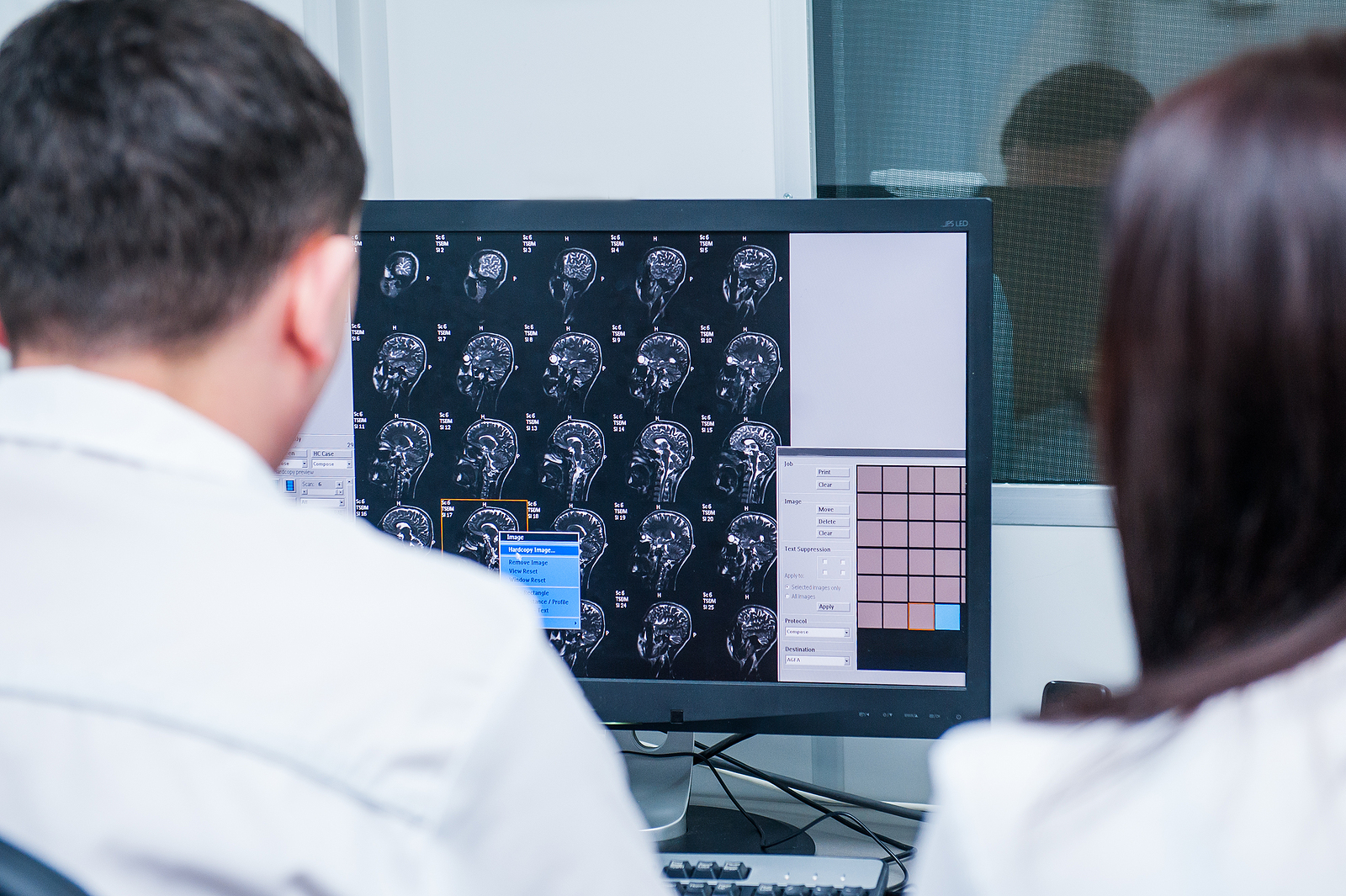
There are several different types of glioma, brain tumours that emerge from the glial cells in the brain and spinal cord. But these come in different categories and the most aggressive of them is a glioblastoma.
It is one of two types of glioma that arise from star-shaped cells called astrocytes. The other is an astrocytoma, which is among the less aggressive forms of tumour at grades 1 to 3.
Once considered a more aggressive grade 4 version of astrocystoma, glioblastomas are now classified separately. It is the most common form of malignant brain tumour in adults.
The latter two treatments may be used alone, together, or in combination with surgery.
An example of the latter is adjuvant radiotherapy, which involves focusing the radiation on areas where a tumour has been removed to target any remaining cancerous cells. This is used in various cancer treatments, not just brain tumours.
Because glioblastomas are so aggressive, they and their treatment have been the subject of much research aimed at understanding how they impact patients, what treatment approaches may be most effective, and how early diagnosis may be beneficial.
As with other treatments, this may be considered in view of the importance of providing individual treatment pathways, with early diagnosis and greater medical understanding having the potential to increase the available options.
A couple of new developments may prove particularly helpful in this regard, one aiding early diagnosis and the other increasing understanding of how glioblastomas affect the brain, which may offer a new source of data on where and how to tailor treatment.
This could enable many patients to be diagnosed sooner, which would enable treatment to commence at an earlier stage of tumour growth and therefore increase the range of medical options open to oncologists.
It would also mean diagnosis could take place without the need for MRI scans or a potentially hazardous biopsy.
Being able to start treatment sooner is important when treating any cancer and this will be particularly true in a more aggressive form like glioblastoma. But a better understanding of how the tumours affect the brain will also open up possibilities for treatment.
Using machine learning, an analysis of glioblastoma covered an aspect of the tumours that may have been overlooked, which is the effect the tumours have on the regions of the brain, known as large-scale white matter connections, that enable information to be transmitted.
The greater the impact on the capacity of the brain to transmit information between distant regions, the worse the overall prognosis will be.
This effect is one of the reasons glioblastoma is more challenging to treat than other tumours, as it does not grow as a tumour on its own, but encroaches on the brain’s own transmission circuitry.
Not only does this study provide more insight into how a glioblastoma impacts the brain and the individual’s prognosis, but it also offers a means of understanding where the worst effects may be present, making the focus of tailored treatment in such areas a priority.
Our approach is always to offer as much individualised treatment as possible, based on an array of circumstances, including wider patient health, age, genetic factors, how early diagnosis takes place and whether metastasis (secondary cancer) has arisen.
However, as new medical innovations, research discoveries and improved diagnostics emerge, the options open to us will continue to expand.
As we always seek to use the best and most cutting-edge knowledge and technology, these will play a part in the treatments of the future.
These developments may have come too late to impact some patients with a diagnosed glioblastoma right now, but we can still leverage other knowledge that has been gained via decades of research, along with the latest technology, to offer the best care possible.
Learn more about our advanced radiotherapy and neurosurgical treatments for glioblastoma on the Queen Square website.
It is one of two types of glioma that arise from star-shaped cells called astrocytes. The other is an astrocytoma, which is among the less aggressive forms of tumour at grades 1 to 3.
Once considered a more aggressive grade 4 version of astrocystoma, glioblastomas are now classified separately. It is the most common form of malignant brain tumour in adults.
What Are the Main Glioblastoma Treatment Methods?
Because glioblastomas are more aggressive, the prognosis for patients is more serious than for other kinds and this requires a strong response. Forms of glioblastoma treatment include:- Surgery to remove part or all of the tumour
- Radiotherapy
- Chemotherapy
The latter two treatments may be used alone, together, or in combination with surgery.
An example of the latter is adjuvant radiotherapy, which involves focusing the radiation on areas where a tumour has been removed to target any remaining cancerous cells. This is used in various cancer treatments, not just brain tumours.
Because glioblastomas are so aggressive, they and their treatment have been the subject of much research aimed at understanding how they impact patients, what treatment approaches may be most effective, and how early diagnosis may be beneficial.
As with other treatments, this may be considered in view of the importance of providing individual treatment pathways, with early diagnosis and greater medical understanding having the potential to increase the available options.
A couple of new developments may prove particularly helpful in this regard, one aiding early diagnosis and the other increasing understanding of how glioblastomas affect the brain, which may offer a new source of data on where and how to tailor treatment.
Why Is A New Blood Test For Glioblastoma Significant?
In the first instance, the University of Sussex in the UK has announced a breakthrough in the search for a blood test that can detect biomarkers indicating the presence of glioblastoma.This could enable many patients to be diagnosed sooner, which would enable treatment to commence at an earlier stage of tumour growth and therefore increase the range of medical options open to oncologists.
It would also mean diagnosis could take place without the need for MRI scans or a potentially hazardous biopsy.
Being able to start treatment sooner is important when treating any cancer and this will be particularly true in a more aggressive form like glioblastoma. But a better understanding of how the tumours affect the brain will also open up possibilities for treatment.
How Do the Effects Of A Glioblastoma On Brain Wiring Affect The Prognosis?
This may now be available via a study led by Karl Landsteiner University in Vienna and published in the journal Cancers, based on data from pre-operative MRI scans.Using machine learning, an analysis of glioblastoma covered an aspect of the tumours that may have been overlooked, which is the effect the tumours have on the regions of the brain, known as large-scale white matter connections, that enable information to be transmitted.
The greater the impact on the capacity of the brain to transmit information between distant regions, the worse the overall prognosis will be.
This effect is one of the reasons glioblastoma is more challenging to treat than other tumours, as it does not grow as a tumour on its own, but encroaches on the brain’s own transmission circuitry.
Not only does this study provide more insight into how a glioblastoma impacts the brain and the individual’s prognosis, but it also offers a means of understanding where the worst effects may be present, making the focus of tailored treatment in such areas a priority.
Our approach is always to offer as much individualised treatment as possible, based on an array of circumstances, including wider patient health, age, genetic factors, how early diagnosis takes place and whether metastasis (secondary cancer) has arisen.
How Can We Help Glioblastoma Patients Today?
These and other considerations will help shape the treatment we can offer you or a loved one and, at the same time, every patient will be informed and involved in decision-making as much as possible.However, as new medical innovations, research discoveries and improved diagnostics emerge, the options open to us will continue to expand.
As we always seek to use the best and most cutting-edge knowledge and technology, these will play a part in the treatments of the future.
These developments may have come too late to impact some patients with a diagnosed glioblastoma right now, but we can still leverage other knowledge that has been gained via decades of research, along with the latest technology, to offer the best care possible.
Learn more about our advanced radiotherapy and neurosurgical treatments for glioblastoma on the Queen Square website.