- News ›
- What Is The Difference Between Glioblastoma, Astrocytoma And Oligodendroglioma?
What Is The Difference Between Glioblastoma, Astrocytoma And Oligodendroglioma?
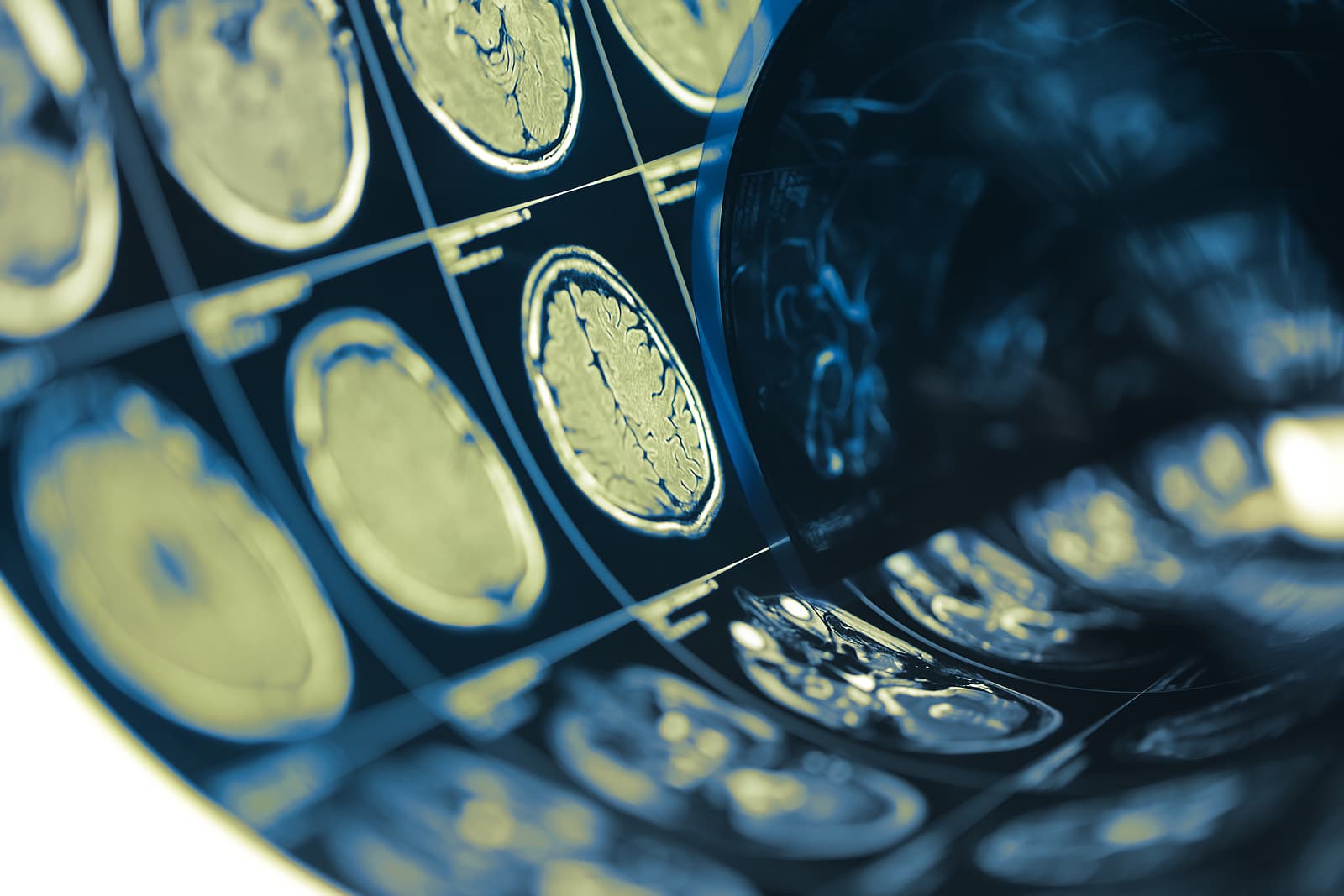
Receiving a diagnosis of a brain tumour is a lot to take in, particularly when faced with unfamiliar medical terms. Among the most common types of primary brain tumours are gliomas, a group of tumours that develop from glial cells within the brain and spinal cord.
However, not all gliomas are the same. Glioblastoma, astrocytoma and oligodendroglioma each have distinct biological characteristics, growth patterns and treatment considerations.
Understanding these differences can help patients and families make sense of a diagnosis and the treatment pathway ahead.
There are several types of glial cells, and the specific cell type involved helps determine how a tumour is classified. Advances in molecular diagnostics have further improved specialists’ ability to distinguish between different glioma subtypes and tailor treatment accordingly.
Today, diagnosis relies on a combination of:
This comprehensive approach provides a more accurate understanding of the tumour and helps guide treatment planning.
Modern classification systems group astrocytomas according to factors such as:
Because astrocytomas encompass a spectrum of disease, treatment recommendations vary depending on the specific diagnosis and individual circumstances.
Common symptoms may include:
Not every patient experiences the same symptoms, and presentation often depends on the tumour's location within the brain.
Under current international classification systems, glioblastoma is typically characterised by specific molecular and pathological features that distinguish it from lower-grade astrocytomas.
Glioblastoma often develops rapidly and can affect various areas of the brain. Symptoms may develop over weeks or months and can include:
Diagnosis generally involves advanced MRI imaging followed by tissue sampling through biopsy or surgery.
Molecular testing plays an important role in glioblastoma assessment, with markers such as:
These findings help specialists better understand tumour biology and support treatment planning.
A defining feature of oligodendroglioma is the presence of both:
These molecular markers are now required to confirm the diagnosis under modern classification criteria.
Oligodendrogliomas often occur in younger adults compared with some other glioma types and may present with symptoms such as:
Many oligodendrogliomas have a slower growth pattern than glioblastoma, although individual cases can vary significantly.
Today, specialists recognise that tumours with a similar appearance may behave very differently depending on their genetic profile.
For example:
This molecular information allows for more precise diagnosis and supports personalised treatment planning. The latest guidance from the World Health Organization incorporates molecular testing as a central part of glioma classification.
Specialist teams may consider a combination of:
The goal is to develop an individualised treatment strategy based on the unique characteristics of the tumour and the patient's needs.
Because glioblastoma, astrocytoma and oligodendroglioma each have distinct biological features, treatment recommendations can differ significantly between patients.
This can be particularly valuable for patients seeking clarification of a diagnosis, exploring treatment options or obtaining a second opinion.
A multidisciplinary team approach brings together expertise from neurosurgery, neuro-oncology, neuroradiology, neuropathology and genetics to ensure that all aspects of diagnosis and treatment planning are carefully considered.
Advances in imaging, pathology and genomic testing now allow specialists to diagnose these tumours with greater accuracy than ever before.
This increasingly personalised approach is helping patients receive treatment recommendations tailored to the specific biology of their tumour rather than relying solely on traditional classifications.
For patients and families navigating a new diagnosis, understanding these differences can provide greater clarity and help support informed discussions with their specialist team.
Explore the Queen Square website to learn more about our specialist diagnostic services, genomic testing expertise and personalised treatment pathways for glioblastoma, astrocytoma and oligodendroglioma.
However, not all gliomas are the same. Glioblastoma, astrocytoma and oligodendroglioma each have distinct biological characteristics, growth patterns and treatment considerations.
Understanding these differences can help patients and families make sense of a diagnosis and the treatment pathway ahead.
What is a glioma?
Glioma is a broad term used to describe tumours that arise from glial cells, which support and protect nerve cells within the central nervous system.There are several types of glial cells, and the specific cell type involved helps determine how a tumour is classified. Advances in molecular diagnostics have further improved specialists’ ability to distinguish between different glioma subtypes and tailor treatment accordingly.
Today, diagnosis relies on a combination of:
- MRI and advanced imaging
- Neurological assessment
- Tissue analysis following biopsy or surgery
- Molecular and genomic testing
This comprehensive approach provides a more accurate understanding of the tumour and helps guide treatment planning.
What is an astrocytoma?
Astrocytomas develop from astrocytes, star-shaped glial cells that play an important role in supporting brain function. Astrocytomas represent a broad category of glioma and can vary considerably in how they behave. Some grow relatively slowly, while others are more aggressive.Modern classification systems group astrocytomas according to factors such as:
- Tumour grade
- Molecular characteristics
- IDH mutation status
- Growth pattern
Because astrocytomas encompass a spectrum of disease, treatment recommendations vary depending on the specific diagnosis and individual circumstances.
Common symptoms may include:
- Headaches
- Seizures
- Changes in speech or language
- Weakness or sensory changes
- Cognitive difficulties
Not every patient experiences the same symptoms, and presentation often depends on the tumour's location within the brain.
What is glioblastoma?
Glioblastoma is the most aggressive form of astrocytic tumour and is classified separately due to its distinctive biological behaviour.Under current international classification systems, glioblastoma is typically characterised by specific molecular and pathological features that distinguish it from lower-grade astrocytomas.
Glioblastoma often develops rapidly and can affect various areas of the brain. Symptoms may develop over weeks or months and can include:
- Persistent headaches
- Seizures
- Memory difficulties
- Personality or behavioural changes
- Speech problems
- Balance or coordination issues
Diagnosis generally involves advanced MRI imaging followed by tissue sampling through biopsy or surgery.
Molecular testing plays an important role in glioblastoma assessment, with markers such as:
- IDH mutation status
- MGMT promoter methylation
- TERT promoter mutations
- EGFR alterations
These findings help specialists better understand tumour biology and support treatment planning.
What is an oligodendroglioma?
Oligodendrogliomas develop from cells called oligodendrocytes, which help form the protective covering around nerve fibres. Although oligodendrogliomas are less common than astrocytomas, they represent a distinct tumour type with unique molecular characteristics.A defining feature of oligodendroglioma is the presence of both:
- An IDH mutation
- A 1p/19q codeletion
These molecular markers are now required to confirm the diagnosis under modern classification criteria.
Oligodendrogliomas often occur in younger adults compared with some other glioma types and may present with symptoms such as:
- Seizures
- Headaches
- Cognitive changes
- Weakness affecting one side of the body
Many oligodendrogliomas have a slower growth pattern than glioblastoma, although individual cases can vary significantly.
How molecular testing is changing brain tumour treatment
One of the biggest advances in neuro-oncology has been the increasing use of molecular and genomic testing. Historically, tumours were classified largely according to how they appeared under a microscope.Today, specialists recognise that tumours with a similar appearance may behave very differently depending on their genetic profile.
For example:
- An astrocytoma with an IDH mutation may have different biological characteristics from an IDH-wildtype tumour.
- Oligodendroglioma requires confirmation of both an IDH mutation and 1p/19q codeletion.
- Glioblastoma is defined by specific molecular and pathological features that help distinguish it from other gliomas.
This molecular information allows for more precise diagnosis and supports personalised treatment planning. The latest guidance from the World Health Organization incorporates molecular testing as a central part of glioma classification.
How do brain tumour treatment approaches differ?
Treatment planning depends on multiple factors, including:- Tumour type
- Molecular profile
- Tumour location
- Patient health and neurological function
- Previous treatments
Specialist teams may consider a combination of:
- Surgery
- Radiotherapy
- Gamma Knife radiosurgery in selected situations
- Systemic therapies
- Clinical trial opportunities
The goal is to develop an individualised treatment strategy based on the unique characteristics of the tumour and the patient's needs.
Because glioblastoma, astrocytoma and oligodendroglioma each have distinct biological features, treatment recommendations can differ significantly between patients.
Why specialist assessment is important
Accurate diagnosis is essential when managing any glioma. As molecular testing continues to advance, specialist centres are increasingly able to provide detailed tumour profiling that helps guide treatment decisions.This can be particularly valuable for patients seeking clarification of a diagnosis, exploring treatment options or obtaining a second opinion.
A multidisciplinary team approach brings together expertise from neurosurgery, neuro-oncology, neuroradiology, neuropathology and genetics to ensure that all aspects of diagnosis and treatment planning are carefully considered.
Understanding the differences
Although glioblastoma, astrocytoma and oligodendroglioma all belong to the glioma family, they are distinct conditions with different molecular characteristics, patterns of behaviour and treatment considerations.Advances in imaging, pathology and genomic testing now allow specialists to diagnose these tumours with greater accuracy than ever before.
This increasingly personalised approach is helping patients receive treatment recommendations tailored to the specific biology of their tumour rather than relying solely on traditional classifications.
For patients and families navigating a new diagnosis, understanding these differences can provide greater clarity and help support informed discussions with their specialist team.
Explore the Queen Square website to learn more about our specialist diagnostic services, genomic testing expertise and personalised treatment pathways for glioblastoma, astrocytoma and oligodendroglioma.