- News ›
- How Can Radiotherapy Help To Treat An Oligodendroglioma?
How Can Radiotherapy Help To Treat An Oligodendroglioma?
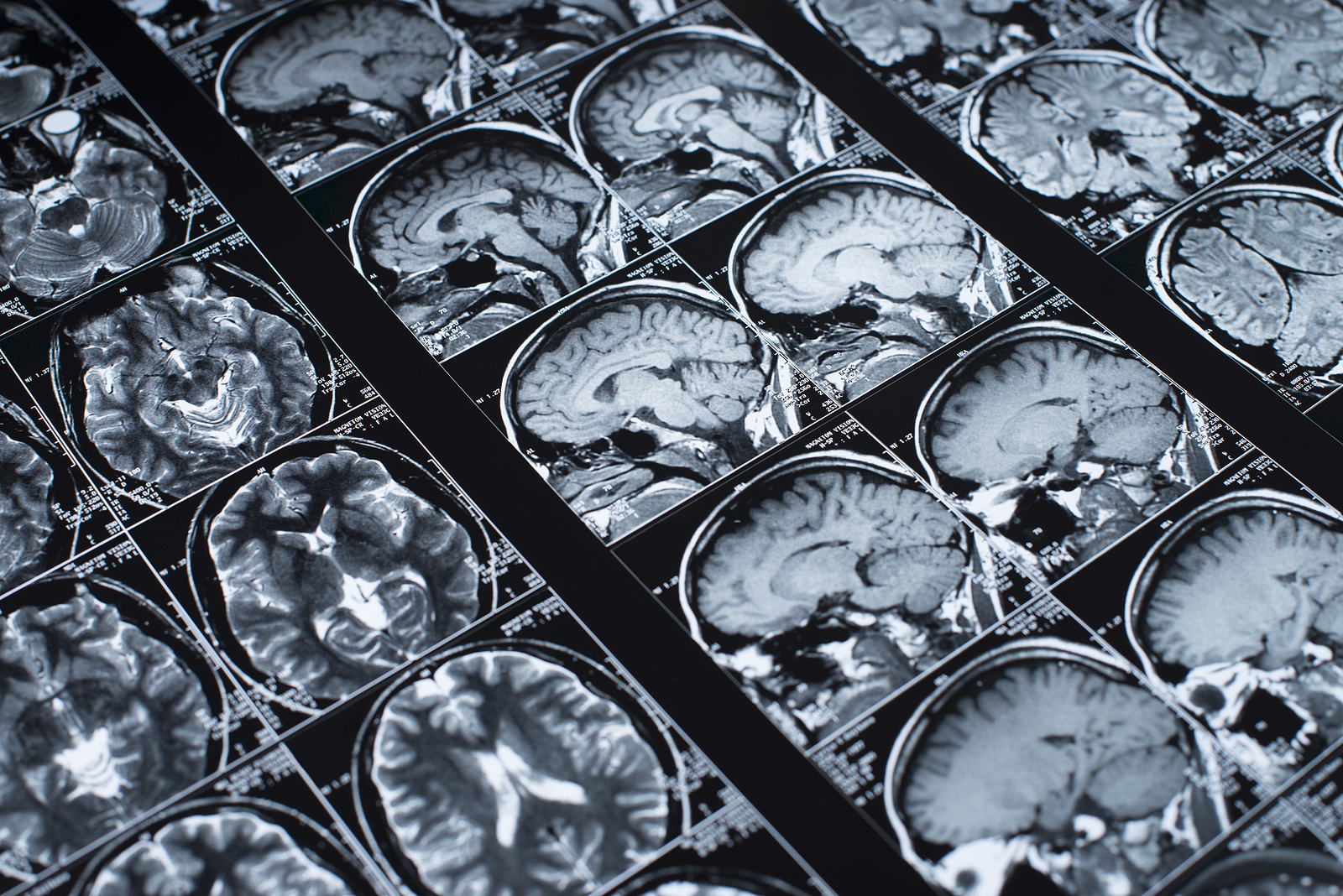
For many patients, the diagnosis of a tumour of the brain, neck or spinal cord can be a difficult time. Some of this will be based on concerns about the implications for long-term health. Concerns may be heightened by a lack of knowledge of what it means to have a particular kind of tumour.
An oligodendroglioma may be a case in point. The etymology of such a polysyllabic term may leave some uncertainty, but once this is fully explained, a patient will have a greater awareness of what the condition entails, its health impacts, as well as the central question of how it may be treated.
However, like other kinds of glial cells, oligodendrocytes are occasionally prone to dysfunctions that lead to the emergence of tumours known as gliomas, although oligodendromas are one of the more rare kinds, accounting for just over one per cent of all brain tumours.
These tumours usually appear in the frontal cerebral lobe of the brain and, far less frequently, in the spinal cord. The cause of the tumour is linked to a mutation of the IDH gene and missing elements in Chromosomes 1 and 19. Tests that establish these issues help to diagnose an oligodendroglioma.
As well as being cancerous, these tumours can cause other problems once they grow large enough to start pressing on areas of the brain or spinal cord. Symptoms that can result include:
For either grade of tumour, the radiotherapy used is classed as adjuvant, which means it is used as a means of preventing the tumour from returning by targeting any remaining cells. This will be more important if part of the tumour cannot be removed.
The use of radiotherapy is not universal, as in some instances, surgery to remove the tumour may be sufficient. Normally, however, radiotherapy will be recommended and this can be delivered in different ways in the following circumstances:
External beam radiotherapy is a form of external radiotherapy delivered through a linear accelerator. A patient will lie prone on a flat surface that slides into the linear accelerator, with the beams then being directed at the affected area to deliver a high dose of radiation.
This can be directed with great precision through the use of CT and MRI scans to provide a 3D image of the tumour, enabling the beams to be directed to the right area from different angles.
Stereotactic radiosurgery takes this method a step further and uses even greater precision. The aim is to direct very high doses of radiation at very precise areas on smaller tumours.
This is designed specifically for situations in which the tumour cannot be surgically removed due to its lying adjacent to very sensitive brain tissue. This requires more precise radiation to avoid damage to the brain and minimise side effects.
Radiotherapy has the effect of disrupting the DNA of cancer cells, which targets them and prevents replication. This can shrink existing tumours and targets remaining cells in adjuvant work.
Our expertise in this area means that if you have been diagnosed with an oligodendroglioma, we can provide a full assessment of your condition and the appropriate treatment. That will include making use of the right form of radiotherapy for your circumstances.
Explore the Queen Square website to learn more about our advanced radiotherapy treatments for oligodendroglioma.
An oligodendroglioma may be a case in point. The etymology of such a polysyllabic term may leave some uncertainty, but once this is fully explained, a patient will have a greater awareness of what the condition entails, its health impacts, as well as the central question of how it may be treated.
What Is An Oligodendroglioma?
This particular kind of tumour takes its name from the oligodendrocytes, which are glial cells found in the brain and spinal cord. Glial cells have the function of producing a fatty substance called myelin that covers the nerves and enables electrical signals to travel through the nervous system from the brain faster.]However, like other kinds of glial cells, oligodendrocytes are occasionally prone to dysfunctions that lead to the emergence of tumours known as gliomas, although oligodendromas are one of the more rare kinds, accounting for just over one per cent of all brain tumours.
These tumours usually appear in the frontal cerebral lobe of the brain and, far less frequently, in the spinal cord. The cause of the tumour is linked to a mutation of the IDH gene and missing elements in Chromosomes 1 and 19. Tests that establish these issues help to diagnose an oligodendroglioma.
How Is An Oligodendroglioma Treated?
All oligodendrogliomas are cancerous, but there are two grades and which one a patient is diagnosed with can have an impact on treatment decisions, including the use of radiotherapy in treatment.- Grade 2 tumours are slow-growing and may be treated with surgery, radiotherapy and chemotherapy
- Grade 3 (anaplastic) tumours are more aggressive, fast-growing and more likely to recur. Even so, extended survival is possible and the prognosis is more favourable than for other types of glioma
As well as being cancerous, these tumours can cause other problems once they grow large enough to start pressing on areas of the brain or spinal cord. Symptoms that can result include:
- Seizures
- Headaches
- Cognitive and behavioural changes
- Speech and language problems
For either grade of tumour, the radiotherapy used is classed as adjuvant, which means it is used as a means of preventing the tumour from returning by targeting any remaining cells. This will be more important if part of the tumour cannot be removed.
The use of radiotherapy is not universal, as in some instances, surgery to remove the tumour may be sufficient. Normally, however, radiotherapy will be recommended and this can be delivered in different ways in the following circumstances:
- For grade 2 tumours that cannot be removed fully, usually followed by chemotherapy
- For grade 3 tumours
- For recurrent tumours
What Kind Of Radiotherapy Is Used In Oligodendroglioma Treatment?
The kind of radiotherapy used can be either external beam radiotherapy or stereotactic radiosurgery.External beam radiotherapy is a form of external radiotherapy delivered through a linear accelerator. A patient will lie prone on a flat surface that slides into the linear accelerator, with the beams then being directed at the affected area to deliver a high dose of radiation.
This can be directed with great precision through the use of CT and MRI scans to provide a 3D image of the tumour, enabling the beams to be directed to the right area from different angles.
Stereotactic radiosurgery takes this method a step further and uses even greater precision. The aim is to direct very high doses of radiation at very precise areas on smaller tumours.
This is designed specifically for situations in which the tumour cannot be surgically removed due to its lying adjacent to very sensitive brain tissue. This requires more precise radiation to avoid damage to the brain and minimise side effects.
When Might A Gamma Knife Be Used To Treat An Oligodendroglioma?
A device commonly used for stereotactic radiosurgery is the Gamma Knife. Both it and the term stereotactic radiosurgery were invented by Lars Leksell, a Swedish neuroscientist who first used the Gamma Knife in 1968. Despite its name, it does no physical cutting. Instead, it directs radiation via gamma rays into very precise areas.Radiotherapy has the effect of disrupting the DNA of cancer cells, which targets them and prevents replication. This can shrink existing tumours and targets remaining cells in adjuvant work.
Our expertise in this area means that if you have been diagnosed with an oligodendroglioma, we can provide a full assessment of your condition and the appropriate treatment. That will include making use of the right form of radiotherapy for your circumstances.
Explore the Queen Square website to learn more about our advanced radiotherapy treatments for oligodendroglioma.