- News ›
- How Do Doctors Decide Whether Gamma Knife Surgery Is Suitable?
How Do Doctors Decide Whether Gamma Knife Surgery Is Suitable?
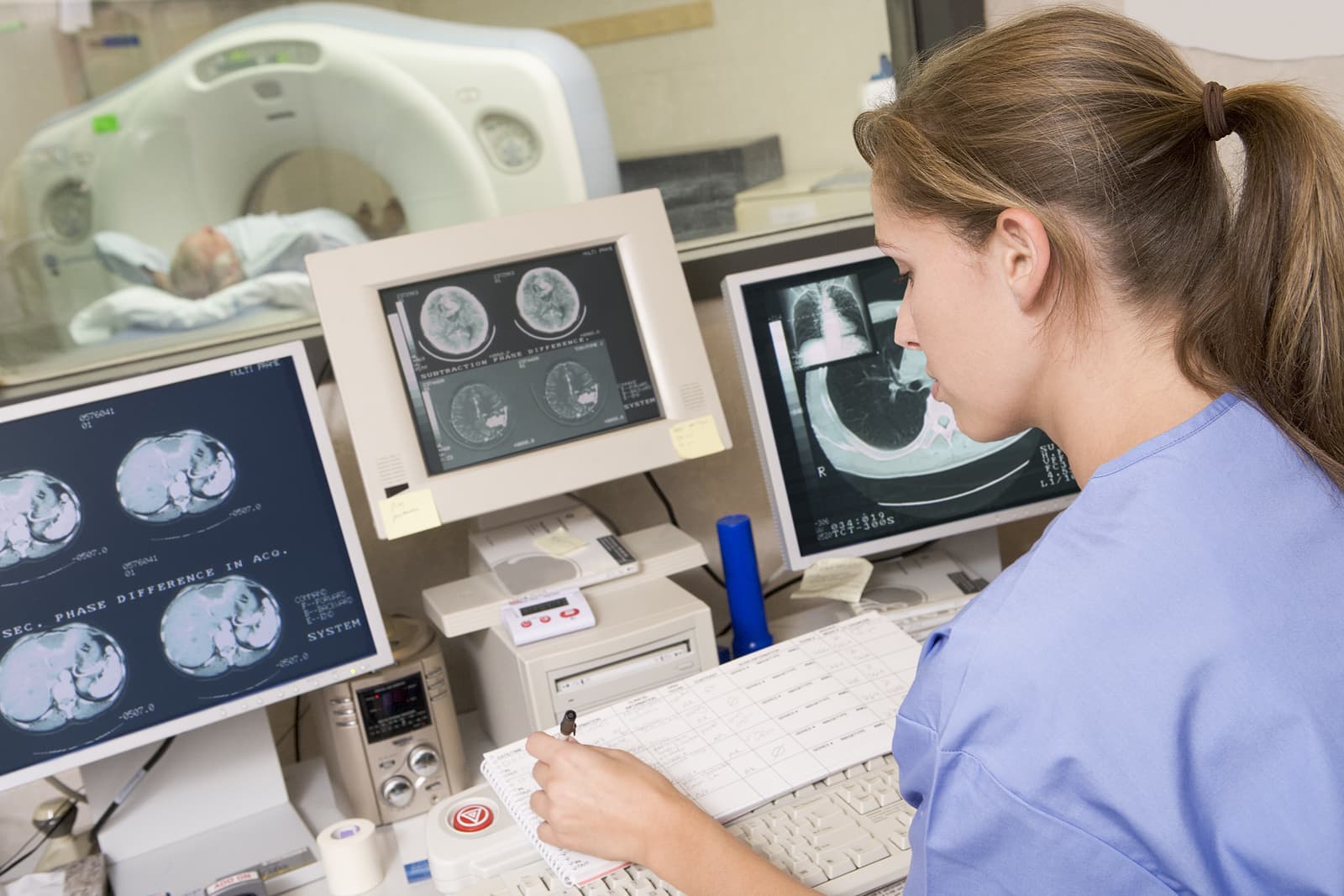
Gamma Knife is a form of stereotactic radiosurgery that uses highly focused radiation to treat selected conditions affecting the brain and surrounding structures. Despite its name, Gamma Knife does not involve a surgical incision or the removal of tissue.
However, Gamma Knife is not suitable for every patient or every neurological condition. Doctors consider several factors before recommending treatment, including the diagnosis, size and location of the target, previous treatments and the patient's overall clinical circumstances.
Understanding this assessment can help patients know what to expect when discussing Gamma Knife surgery with a specialist.
The suitability of treatment depends on the individual circumstances rather than simply the name of the diagnosis.
For example, two patients with the same type of brain tumour may have different treatment options because their tumours differ in size, location, previous treatment or relationship with important structures.
For some brain tumours, tissue pathology and molecular or genomic information may also contribute to the overall diagnosis and treatment planning.
A clear diagnosis allows the specialist team to determine whether Gamma Knife is an established or potentially appropriate treatment option for that particular condition.
Doctors assess the relationship between the target and nearby structures, particularly sensitive areas of the brain, nerves and blood vessels.
Advanced imaging helps the treatment team map the target accurately and determine whether a suitable treatment plan can be created.
For conditions such as vestibular schwannoma or meningioma, the tumour's position in relation to surrounding structures can be particularly relevant when assessing treatment options.
The specialist team will review previous procedures, imaging and treatment records to understand the current situation. Previous radiotherapy is particularly important because doctors need to consider the radiation already delivered to the relevant area.
This is one reason why a detailed review of previous medical records and imaging is an important part of specialist assessment.
For conditions such as trigeminal neuralgia, for example, the pattern of symptoms and response to previous treatments may form part of the assessment. For a brain tumour, factors such as neurological symptoms and the tumour's behaviour over time may also be relevant.
The purpose is to establish whether Gamma Knife is likely to provide an appropriate balance between potential benefits and possible risks for that individual.
The planning process involves identifying the precise target and calculating how radiation can be delivered while limiting exposure to surrounding healthy tissue as far as possible.
The specialist team can then assess whether the proposed plan can safely achieve the intended treatment objectives.
Gamma Knife treatment is highly precise, but precision does not mean that every target can be treated in the same way. The treatment plan is tailored to the anatomy and clinical circumstances of each patient.
In some cases, combining different treatments may be appropriate. The decision should therefore be based on the patient's overall treatment needs rather than whether Gamma Knife is technically possible.
Explore Queen Square's website for specialist Gamma Knife and stereotactic radiosurgery services to understand how treatment suitability is assessed for complex cranial conditions.
However, Gamma Knife is not suitable for every patient or every neurological condition. Doctors consider several factors before recommending treatment, including the diagnosis, size and location of the target, previous treatments and the patient's overall clinical circumstances.
Understanding this assessment can help patients know what to expect when discussing Gamma Knife surgery with a specialist.
What conditions can Gamma Knife treat?
Gamma Knife may be considered for a range of complex cranial conditions. These can include trigeminal neuralgia, vestibular schwannoma (acoustic neuroma), meningioma and selected brain metastases, among other conditions.The suitability of treatment depends on the individual circumstances rather than simply the name of the diagnosis.
For example, two patients with the same type of brain tumour may have different treatment options because their tumours differ in size, location, previous treatment or relationship with important structures.
1. The diagnosis
The first consideration is establishing exactly what is being treated. Doctors will review the patient's symptoms, clinical history, previous investigations and diagnostic information. Imaging such as MRI is particularly important when assessing many intracranial conditions.For some brain tumours, tissue pathology and molecular or genomic information may also contribute to the overall diagnosis and treatment planning.
A clear diagnosis allows the specialist team to determine whether Gamma Knife is an established or potentially appropriate treatment option for that particular condition.
2. The size and location of the target
Gamma Knife is designed to deliver a highly concentrated dose of radiation to a precisely defined target. Consequently, the size, shape and location of the target are important considerations.Doctors assess the relationship between the target and nearby structures, particularly sensitive areas of the brain, nerves and blood vessels.
Advanced imaging helps the treatment team map the target accurately and determine whether a suitable treatment plan can be created.
For conditions such as vestibular schwannoma or meningioma, the tumour's position in relation to surrounding structures can be particularly relevant when assessing treatment options.
3. Previous treatment
A patient's treatment history can influence whether Gamma Knife is appropriate. Some people may be considered for stereotactic radiosurgery as their primary treatment, while others may undergo Gamma Knife after previous surgery or another form of treatment.The specialist team will review previous procedures, imaging and treatment records to understand the current situation. Previous radiotherapy is particularly important because doctors need to consider the radiation already delivered to the relevant area.
This is one reason why a detailed review of previous medical records and imaging is an important part of specialist assessment.
4. The patient's symptoms and clinical circumstances
Doctors do not assess an MRI scan in isolation. They consider the patient's symptoms, neurological examination, medical history and individual circumstances alongside the imaging findings.For conditions such as trigeminal neuralgia, for example, the pattern of symptoms and response to previous treatments may form part of the assessment. For a brain tumour, factors such as neurological symptoms and the tumour's behaviour over time may also be relevant.
The purpose is to establish whether Gamma Knife is likely to provide an appropriate balance between potential benefits and possible risks for that individual.
5. The treatment plan
If Gamma Knife is being considered, specialists can use detailed imaging to create a treatment plan.The planning process involves identifying the precise target and calculating how radiation can be delivered while limiting exposure to surrounding healthy tissue as far as possible.
The specialist team can then assess whether the proposed plan can safely achieve the intended treatment objectives.
Gamma Knife treatment is highly precise, but precision does not mean that every target can be treated in the same way. The treatment plan is tailored to the anatomy and clinical circumstances of each patient.
6. The wider treatment pathway
Gamma Knife is only one potential part of a patient's care pathway. A specialist may consider other approaches, including surgery, conventional radiotherapy, medication or monitoring, depending on the condition and individual circumstances.In some cases, combining different treatments may be appropriate. The decision should therefore be based on the patient's overall treatment needs rather than whether Gamma Knife is technically possible.
Explore Queen Square's website for specialist Gamma Knife and stereotactic radiosurgery services to understand how treatment suitability is assessed for complex cranial conditions.