- News ›
- How Early Diagnosis Impacts On Brain Tumour Treatment
How Early Diagnosis Impacts On Brain Tumour Treatment
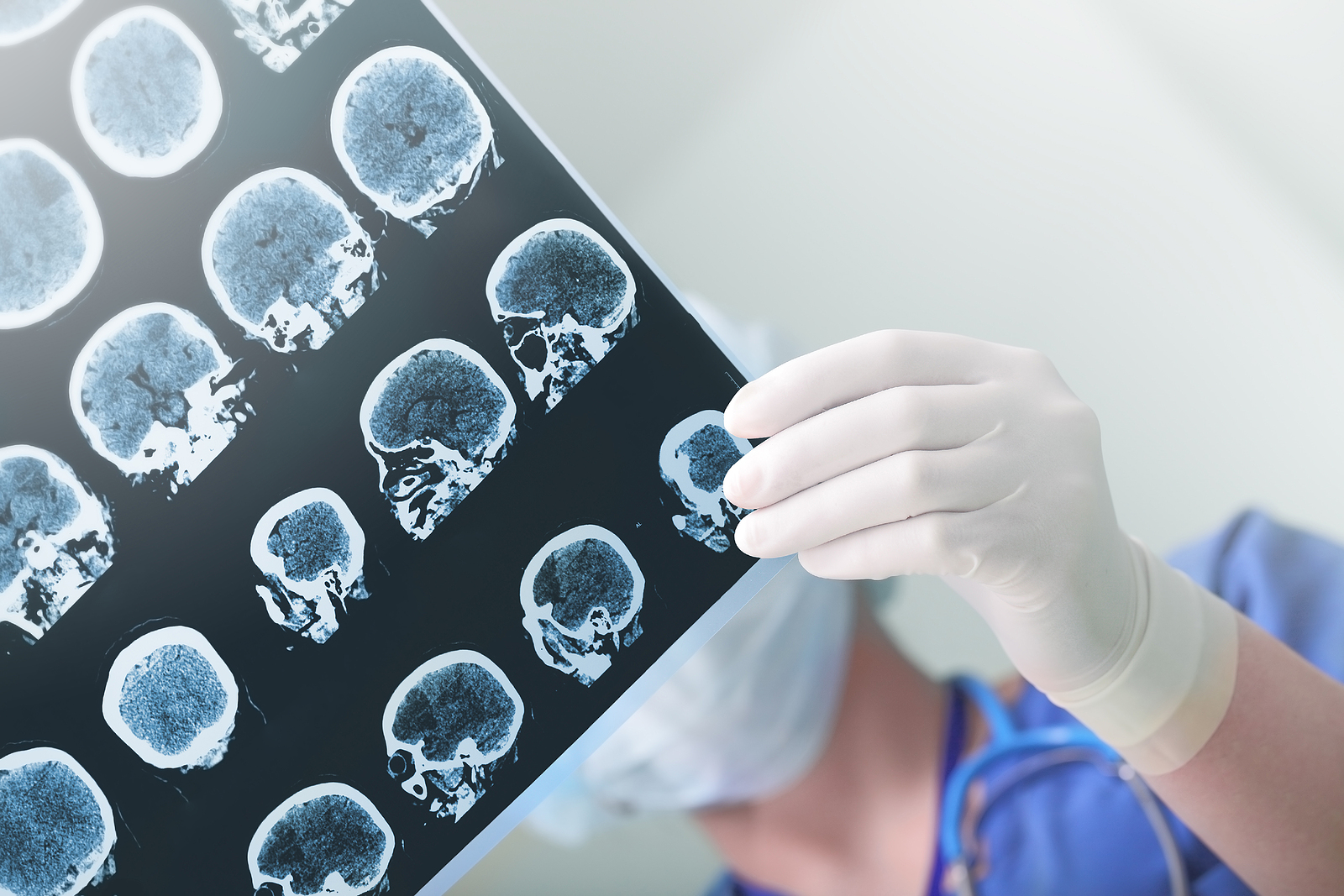
There are many different types of brain tumour, some of which are benign (non-cancerous) and others malignant (cancerous). However, what they have in common is that early detection can often provide a better prognosis and more treatment options.
Among the different types of brain and neck tumours is the glioma category. These are named after the glial cells, which are situated in the brain and spinal cord and have the function of assisting the central nervous system.
A glioma is any kind of malignant tumour that emerges from these cells. Taken together, they account for around a third of all brain tumours.
As with any kind of cancer, early diagnosis will improve the prognosis for patients and can increase the number of glioma treatment options.
Malignant gliomas are primary cancers, which means the tumours exist where the cancer started, as opposed to secondary cancer, which occurs when the disease has spread beyond its area of origin.
Treatments for brain tumours can include surgery, chemotherapy and radiotherapy, with the latter two being used either alone, in combination with each other, or after surgery. This can depend on one important factor, sometimes related to how early the glioma is detected, which is whether it has grown to become inoperable.
A benefit of early detection can be that grade 1 and 2 gliomas can often be treated early enough to prevent progression to grades 3 and 4.
The other classification relates to which glial cells the tumour emerges from. Astrocytomas come from the astrocyte cells, with the ‘astro’ part of the name highlighting the fact that they are star-shaped. Although usually cancerous, occasionally these are benign and grow more slowly, which is a common characteristic of non-cancerous tumours.
Ependymomas start in the ependymal cells, found in the fluid of the brain lining and the spinal cord, and can affect both children and adults, while an oligodendroglioma comes from the oligodendrocyte cells. The latter are grade 2 or 3 tumours, but only make up a small proportion of brain tumour cases.
Glioblastomas are the most aggressive kind of glioma, all of which are grade 4. Although starting in the astrocytes, they are a specific form of tumour rather than a subtype of astrocytoma. They are the most common form of glioma and the most challenging to treat, partly because of their high recurrence rate.
Where surgery is possible, stereotactic radiotherapy may be used to shrink any remaining parts of the tumour that have not been excised, as well as providing adjuvant therapy to reduce the likelihood of the tumour recurring. When surgery is not a practical option, radiotherapy and/or chemotherapy can help to shrink it.
The benefit of stereotactic radiosurgery of this type is that it can concentrate beams of radiation on very precise areas of the tumour, while minimising exposure for the surrounding tissue. This reduces side effects and the treatment can be done in a smaller number of treatment sessions, which is practically useful for those travelling to treatment sessions.
As well as curbing the advance of the cancer, reducing the size of a tumour through surgery or shrinkage by radiotherapy or chemotherapy can help prevent other symptoms that can be caused by a growing tumour, placing pressure on the brain.
The exact nature of the treatment you receive will depend on many factors, including your age and general health, as well as the type of glioma you have. However, for many types of glioma, the earlier the diagnosis occurs and treatment starts, the better the prognosis and range of treatment options.
Learn more about our advanced radiotherapy treatments for gliomas on the Queen Square website.
Among the different types of brain and neck tumours is the glioma category. These are named after the glial cells, which are situated in the brain and spinal cord and have the function of assisting the central nervous system.
A glioma is any kind of malignant tumour that emerges from these cells. Taken together, they account for around a third of all brain tumours.
As with any kind of cancer, early diagnosis will improve the prognosis for patients and can increase the number of glioma treatment options.
Malignant gliomas are primary cancers, which means the tumours exist where the cancer started, as opposed to secondary cancer, which occurs when the disease has spread beyond its area of origin.
Treatments for brain tumours can include surgery, chemotherapy and radiotherapy, with the latter two being used either alone, in combination with each other, or after surgery. This can depend on one important factor, sometimes related to how early the glioma is detected, which is whether it has grown to become inoperable.
Types Of Glioma
Gliomas come in various forms and there are two areas of variation. Firstly, there are the different grades, with low-grade gliomas (grades 1 and 2) being slower-growing, compared to the more aggressive grades 3 and 4.A benefit of early detection can be that grade 1 and 2 gliomas can often be treated early enough to prevent progression to grades 3 and 4.
The other classification relates to which glial cells the tumour emerges from. Astrocytomas come from the astrocyte cells, with the ‘astro’ part of the name highlighting the fact that they are star-shaped. Although usually cancerous, occasionally these are benign and grow more slowly, which is a common characteristic of non-cancerous tumours.
Ependymomas start in the ependymal cells, found in the fluid of the brain lining and the spinal cord, and can affect both children and adults, while an oligodendroglioma comes from the oligodendrocyte cells. The latter are grade 2 or 3 tumours, but only make up a small proportion of brain tumour cases.
Glioblastomas are the most aggressive kind of glioma, all of which are grade 4. Although starting in the astrocytes, they are a specific form of tumour rather than a subtype of astrocytoma. They are the most common form of glioma and the most challenging to treat, partly because of their high recurrence rate.
Treatment Options
These variations mean the potential treatments will vary, but while a glioblastoma will always be a grade 4 tumour requiring aggressive intervention as swiftly as possible, early detection and effective treatment can prevent the grade progression of other forms of glioma.Where surgery is possible, stereotactic radiotherapy may be used to shrink any remaining parts of the tumour that have not been excised, as well as providing adjuvant therapy to reduce the likelihood of the tumour recurring. When surgery is not a practical option, radiotherapy and/or chemotherapy can help to shrink it.
When A Gamma Knife May Be Used
In some cases, Gamma Knife may be used to shrink tumours that might otherwise be out of reach. In some cases, the location of a tumour is such that any attempt at invasive surgery would be unsafe because of its impact on surrounding healthy brain tissue.The benefit of stereotactic radiosurgery of this type is that it can concentrate beams of radiation on very precise areas of the tumour, while minimising exposure for the surrounding tissue. This reduces side effects and the treatment can be done in a smaller number of treatment sessions, which is practically useful for those travelling to treatment sessions.
As well as curbing the advance of the cancer, reducing the size of a tumour through surgery or shrinkage by radiotherapy or chemotherapy can help prevent other symptoms that can be caused by a growing tumour, placing pressure on the brain.
Symptoms And Diagnosis
Many of these symptoms can alert patients to the fact they have a tumour, with dizziness, loss of balance, loss of vision, nausea, speech impairment and changes in mood or personality among the signs that something is wrong. Patients who seek medical advice for such symptoms may go on for tests and scans to provide a diagnosis.The exact nature of the treatment you receive will depend on many factors, including your age and general health, as well as the type of glioma you have. However, for many types of glioma, the earlier the diagnosis occurs and treatment starts, the better the prognosis and range of treatment options.
Learn more about our advanced radiotherapy treatments for gliomas on the Queen Square website.