- News ›
- When Is A Meningioma Discovered Incidentally?
When Is A Meningioma Discovered Incidentally?
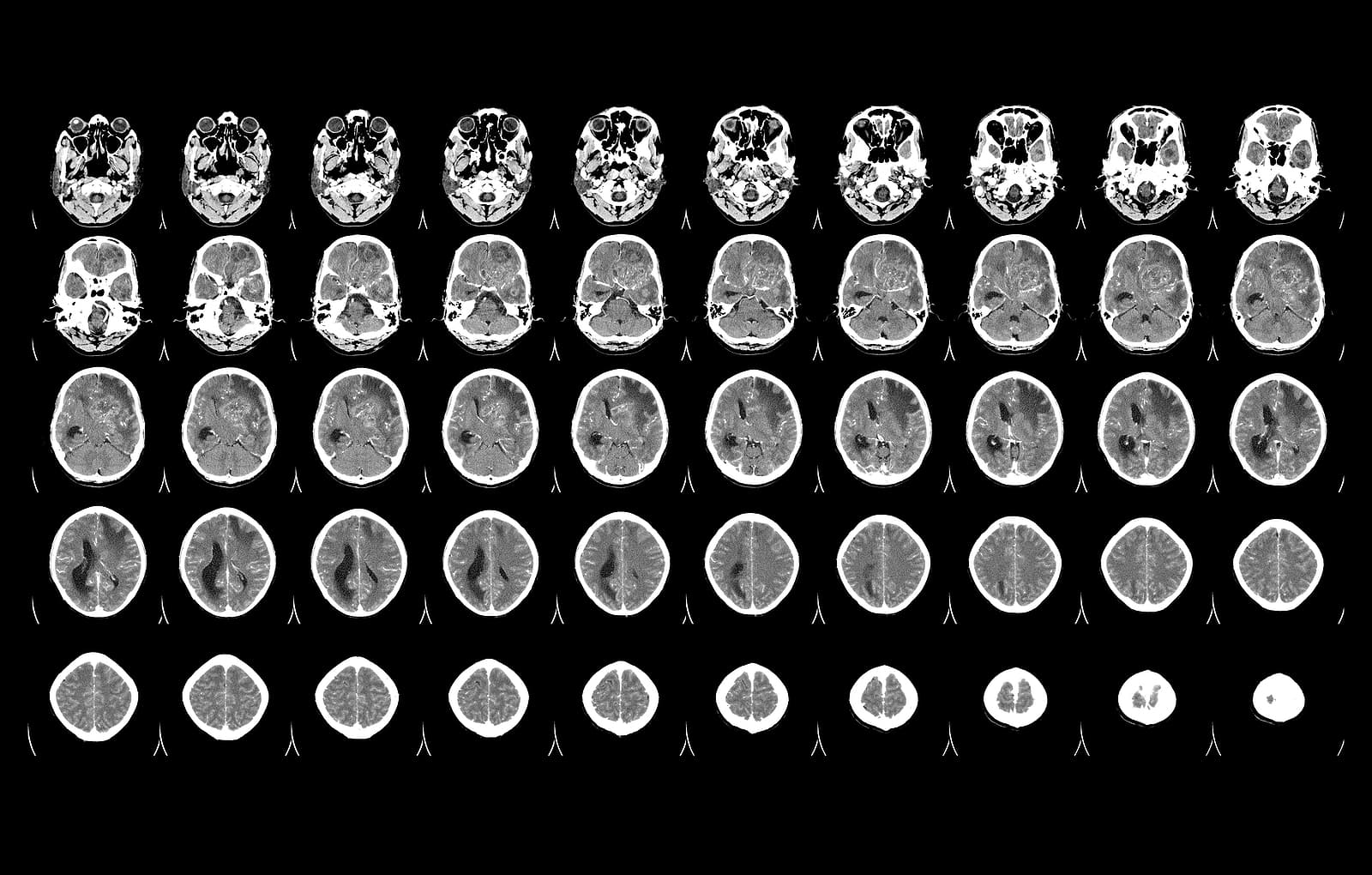
Advances in medical imaging have led to an increasing number of brain conditions being identified before they cause noticeable symptoms. One of the most common examples is an incidental meningioma.
This is a meningioma that is discovered during a brain scan performed for an unrelated reason. A sudden brain tumour diagnosis is naturally unsettling, especially if it was not causing any symptoms and was completely unexpected.
However, many incidental meningiomas are slow growing and may not require immediate action. Instead, careful specialist assessment helps determine whether monitoring or intervention is the most appropriate course of meningioma treatment.
Understanding what an incidental meningioma is and what happens after diagnosis can help patients feel better informed about the next steps.
Although some meningiomas eventually cause symptoms because of their size or location, others remain stable for many years and may never affect neurological function.
Examples include MRI or CT scans requested to investigate:
In these situations, the meningioma is not thought to be responsible for the symptoms that prompted the scan. Instead, it is an unexpected finding that requires further evaluation.
As MRI technology has become more widely available and produces increasingly detailed images, incidental meningiomas are being identified more frequently than in the past.
Small meningiomas located in areas with sufficient surrounding space may not interfere with normal brain function.
Because many grow slowly, the brain can often adapt to gradual changes, meaning symptoms may not develop for a considerable period of time, if at all.
This is one reason why some meningiomas remain undetected until imaging is performed for an unrelated medical concern.
The first step is a comprehensive specialist assessment, which may include:
This information helps specialists determine whether the tumour appears stable or whether further investigation or treatment should be considered.
Monitoring allows specialists to:
The frequency of follow-up imaging varies depending on the individual case and the characteristics of the tumour.
Importantly, monitoring is an active clinical decision rather than a lack of treatment. Regular review ensures that any changes can be identified promptly.
Factors that may influence treatment planning include:
Each patient's situation is unique, and decisions are based on careful discussion between the patient and their specialist multidisciplinary team.
Treatment options may include surgery or Gamma Knife radiosurgery where clinically appropriate, depending on the tumour's characteristics and location.
Modern imaging techniques allow specialists to assess:
Comparing scans over time also helps determine whether a meningioma remains stable or shows signs of growth.
Careful assessment, regular follow-up where appropriate and personalised treatment planning help ensure that each patient receives care tailored to their individual circumstances.
Learn more about Queen Square Neuroscience Health Centre's specialist assessment and treatment services for meningioma, including advanced imaging, Gamma Knife radiosurgery and multidisciplinary treatment planning.
This is a meningioma that is discovered during a brain scan performed for an unrelated reason. A sudden brain tumour diagnosis is naturally unsettling, especially if it was not causing any symptoms and was completely unexpected.
However, many incidental meningiomas are slow growing and may not require immediate action. Instead, careful specialist assessment helps determine whether monitoring or intervention is the most appropriate course of meningioma treatment.
Understanding what an incidental meningioma is and what happens after diagnosis can help patients feel better informed about the next steps.
What is a meningioma?
A meningioma is a tumour that develops from the meninges – the protective layers of tissue that surround the brain and spinal cord. Most meningiomas are non-cancerous and tend to grow slowly. They do not develop from the brain itself but from the membranes covering it.Although some meningiomas eventually cause symptoms because of their size or location, others remain stable for many years and may never affect neurological function.
What does ‘incidentally discovered’ mean?
An incidental meningioma is one that is found during investigations carried out for a different reason.Examples include MRI or CT scans requested to investigate:
- Persistent headaches
- Dizziness
- Hearing changes
- Head injury
- Sinus problems
- Balance concerns
- Other neurological symptoms unrelated to the tumour
In these situations, the meningioma is not thought to be responsible for the symptoms that prompted the scan. Instead, it is an unexpected finding that requires further evaluation.
As MRI technology has become more widely available and produces increasingly detailed images, incidental meningiomas are being identified more frequently than in the past.
Why might a meningioma cause no symptoms?
Whether a meningioma causes symptoms depends on several factors, including:- Its size
- Its location
- Its rate of growth
- Whether it places pressure on nearby brain tissue or nerves
Small meningiomas located in areas with sufficient surrounding space may not interfere with normal brain function.
Because many grow slowly, the brain can often adapt to gradual changes, meaning symptoms may not develop for a considerable period of time, if at all.
This is one reason why some meningiomas remain undetected until imaging is performed for an unrelated medical concern.
What happens after an incidental meningioma is found?
Finding a meningioma does not automatically mean that treatment is required.The first step is a comprehensive specialist assessment, which may include:
- Reviewing MRI findings in detail
- Assessing the tumour's size and precise location
- Evaluating whether there are any subtle neurological symptoms
- Reviewing the patient's medical history
- Considering overall health and individual circumstances
This information helps specialists determine whether the tumour appears stable or whether further investigation or treatment should be considered.
Is active monitoring always the best option?
For many incidental meningiomas, careful monitoring is an appropriate management strategy. This usually involves periodic MRI scans to assess whether the tumour changes over time.Monitoring allows specialists to:
- Measure any growth accurately
- Assess changes in appearance
- Identify any new effects on surrounding structures
- Review whether symptoms develop
The frequency of follow-up imaging varies depending on the individual case and the characteristics of the tumour.
Importantly, monitoring is an active clinical decision rather than a lack of treatment. Regular review ensures that any changes can be identified promptly.
When might meningioma treatment be considered?
Although many incidental meningiomas remain stable, treatment may be recommended if there is evidence that the tumour is likely to affect neurological function.Factors that may influence treatment planning include:
- Documented tumour growth over time
- Tumour location near important nerves or brain structures
- Development of neurological symptoms
- Imaging features that warrant closer evaluation
Each patient's situation is unique, and decisions are based on careful discussion between the patient and their specialist multidisciplinary team.
Treatment options may include surgery or Gamma Knife radiosurgery where clinically appropriate, depending on the tumour's characteristics and location.
Why specialist imaging matters
MRI plays a central role in evaluating incidental meningiomas.Modern imaging techniques allow specialists to assess:
- Tumour size
- Shape and margins
- Relationship to nearby blood vessels
- Proximity to cranial nerves
- Effects on surrounding brain tissue
Comparing scans over time also helps determine whether a meningioma remains stable or shows signs of growth.
Looking ahead after an incidental diagnosis
Being told that a brain tumour has been discovered unexpectedly can understandably raise many questions. However, an incidental meningioma does not necessarily mean that immediate treatment is needed.Careful assessment, regular follow-up where appropriate and personalised treatment planning help ensure that each patient receives care tailored to their individual circumstances.
Learn more about Queen Square Neuroscience Health Centre's specialist assessment and treatment services for meningioma, including advanced imaging, Gamma Knife radiosurgery and multidisciplinary treatment planning.