- News ›
- Can A New Development Improve Astrocytoma Treatment?
Can A New Development Improve Astrocytoma Treatment?
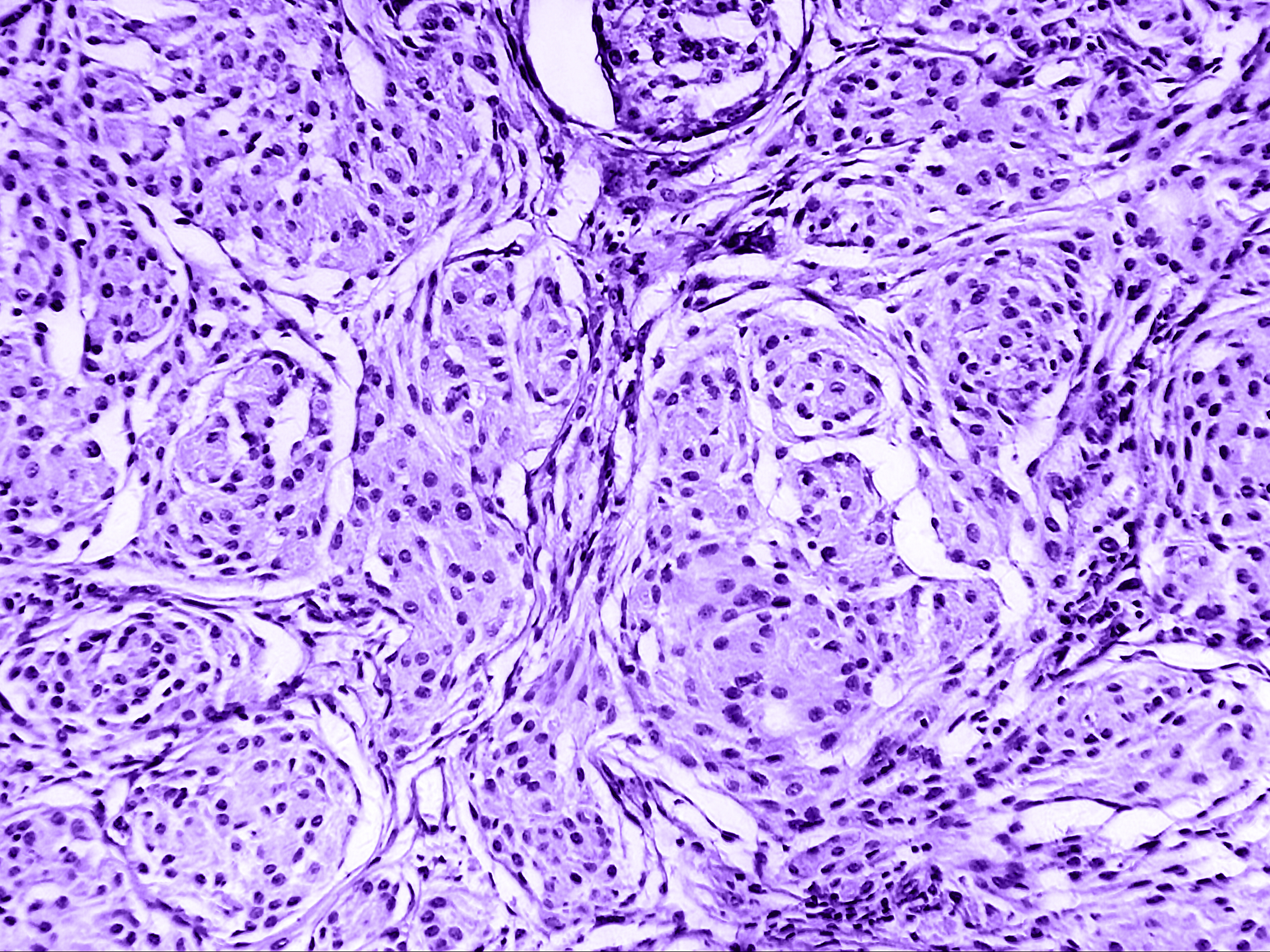
An astrocytoma can be one of the more aggressive forms of glioma, one of the tumours that form in the glial cells in the brain or spinal cord. Although some can be benign, the malignant form is incurable and finding new and better treatments has been a priority for researchers.
The definition of an astrocytoma is based on its arising from the astrocytes, star-shaped glial cells, although the most aggressive type, the malignant grade 4 tumours, are separately classified as glioblastomas.
Like other tumours, astrocytomas are graded 1 to 4.
As well as being cancerous, astrocytomas, like other tumours, can place pressure on the brain as they grow and impede functions.
This is sometimes the first sign that leads to a diagnosis, when the patient starts to suffer symptoms such as memory loss, vision problems, difficulty speaking, fatigue or seizures.
Due to the location of the tumour close to sensitive brain tissue, it is normal that not all of it can be removed, which is why further treatment is required. In some cases, it is inoperable.
There are limitations to the effectiveness of these treatments when faced with an aggressive tumour, which is why research has been seeking new means of tackling them.
The use of therapy drugs such as immune checkpoint inhibitors, often very effective at helping the immune system’s T-cells tackle other cancers, has hitherto been ineffective against tumours like astrocytoma due to the blood-brain barrier.
This is a wall of cells that forms a strict separation between the brain and the bloodstream and, until now, inhibitor drugs have not been able to pass through it.
However, researchers at Keck Medicine of USC believe they have found the answer. It involves using the heat from a laser to burn through the blood-brain barrier and destroy tumour tissue.
Known as laser interstitial thermal therapy (LITT), this enables the delivery of the therapy drug pembrolizumab to the tumour, passing through the previously impenetrable barrier.
A key reason for this is that tumour cells are able to exit into the bloodstream once the barrier is down, exposing them to T-cells elsewhere in the body and alerting the T-cells to the presence of the tumour.
The cells are then able to use the breach in the blood-brain barrier to access the tumour and attack it.
A trial comparing two cohorts of patients saw dramatically better results for those who received the laser treatment followed by pembrolizumab, indicating that this approach may be transformational in improving the prognosis for patients with an aggressive astrocytoma.
Details of the trial and its results have been published in the journal Nature Communications.
Commenting on the research, chief of neuro-oncology with Keck Medicine, David Tra,n said: “These results suggest that LITT can help the immune checkpoint inhibitor pembrolizumab work more effectively against high-grade astrocytoma.”
Instead, different treatments may be used at various stages, or multiple methods may be used in combination, in much the same way that some cancers are treated with radiotherapy and chemotherapy together, or adjuvant chemotherapy is used after surgery.
Subject to peer review and further research to confirm the benefits, what this new treatment appears to offer is the prospect of oncologists having another weapon to use in the fight against aggressive malignant brain tumours.
If you have been diagnosed with a malignant astrocytoma, we may be able to find the best treatment for you to provide the best possible patient outcome.
Learn more about our advanced radiotherapy treatments for astrocytoma on the Queen Square website.
The definition of an astrocytoma is based on its arising from the astrocytes, star-shaped glial cells, although the most aggressive type, the malignant grade 4 tumours, are separately classified as glioblastomas.
Like other tumours, astrocytomas are graded 1 to 4.
- Grade 1 tumours are benign and slow-growing
- Grades 2 and 3 are malignant and grow faster
- Grade 4 is a highly aggressive glioblastoma and is the most common form of brain tumour, accounting for 24 per cent of all cases
As well as being cancerous, astrocytomas, like other tumours, can place pressure on the brain as they grow and impede functions.
This is sometimes the first sign that leads to a diagnosis, when the patient starts to suffer symptoms such as memory loss, vision problems, difficulty speaking, fatigue or seizures.
How Are Astrocytomas Currently Treated?
At present, the main forms of astrocytoma treatment are:- Surgery to remove as much of the tumour as possible
- Radiotherapy to disrupt the cell DNA of the cancer, which diminishes the capacity of cells to reproduce and consequently shrinks the tumour
- Adjuvant chemotherapy, which is used after surgery to treat remaining fragments of the tumour
Due to the location of the tumour close to sensitive brain tissue, it is normal that not all of it can be removed, which is why further treatment is required. In some cases, it is inoperable.
There are limitations to the effectiveness of these treatments when faced with an aggressive tumour, which is why research has been seeking new means of tackling them.
Has A Major Problem In Delivering Immunotherapy Drugs Been Solved?
A breakthrough that could have a major impact on astrocytomas has been reported by the University of Southern California (USC).The use of therapy drugs such as immune checkpoint inhibitors, often very effective at helping the immune system’s T-cells tackle other cancers, has hitherto been ineffective against tumours like astrocytoma due to the blood-brain barrier.
This is a wall of cells that forms a strict separation between the brain and the bloodstream and, until now, inhibitor drugs have not been able to pass through it.
However, researchers at Keck Medicine of USC believe they have found the answer. It involves using the heat from a laser to burn through the blood-brain barrier and destroy tumour tissue.
Known as laser interstitial thermal therapy (LITT), this enables the delivery of the therapy drug pembrolizumab to the tumour, passing through the previously impenetrable barrier.
What Happens When The Blood-Brain Barrier Is Breached?
The study showed that this gave the pembrolizumab several weeks in each patient case to inhibit the immune checkpoint and enable the immune system’s T-cells to detect and attack cancer cells, the same defence that can be highly effective against non-brain cancers.A key reason for this is that tumour cells are able to exit into the bloodstream once the barrier is down, exposing them to T-cells elsewhere in the body and alerting the T-cells to the presence of the tumour.
The cells are then able to use the breach in the blood-brain barrier to access the tumour and attack it.
A trial comparing two cohorts of patients saw dramatically better results for those who received the laser treatment followed by pembrolizumab, indicating that this approach may be transformational in improving the prognosis for patients with an aggressive astrocytoma.
Details of the trial and its results have been published in the journal Nature Communications.
Commenting on the research, chief of neuro-oncology with Keck Medicine, David Tra,n said: “These results suggest that LITT can help the immune checkpoint inhibitor pembrolizumab work more effectively against high-grade astrocytoma.”
Can Effective Immunotherapies Work Alongside Radiotherapy To Treat Astrocytomas?
The results do not mean that treatments such as radiotherapy will no longer be used for astrocytomas, as the mechanisms by which treatment is delivered and cancer cells are attacked are different.Instead, different treatments may be used at various stages, or multiple methods may be used in combination, in much the same way that some cancers are treated with radiotherapy and chemotherapy together, or adjuvant chemotherapy is used after surgery.
Subject to peer review and further research to confirm the benefits, what this new treatment appears to offer is the prospect of oncologists having another weapon to use in the fight against aggressive malignant brain tumours.
If you have been diagnosed with a malignant astrocytoma, we may be able to find the best treatment for you to provide the best possible patient outcome.
Learn more about our advanced radiotherapy treatments for astrocytoma on the Queen Square website.