- News ›
- Vestibular Schwannoma And Acoustic Neuroma: Are They The Same Condition?
Vestibular Schwannoma And Acoustic Neuroma: Are They The Same Condition?
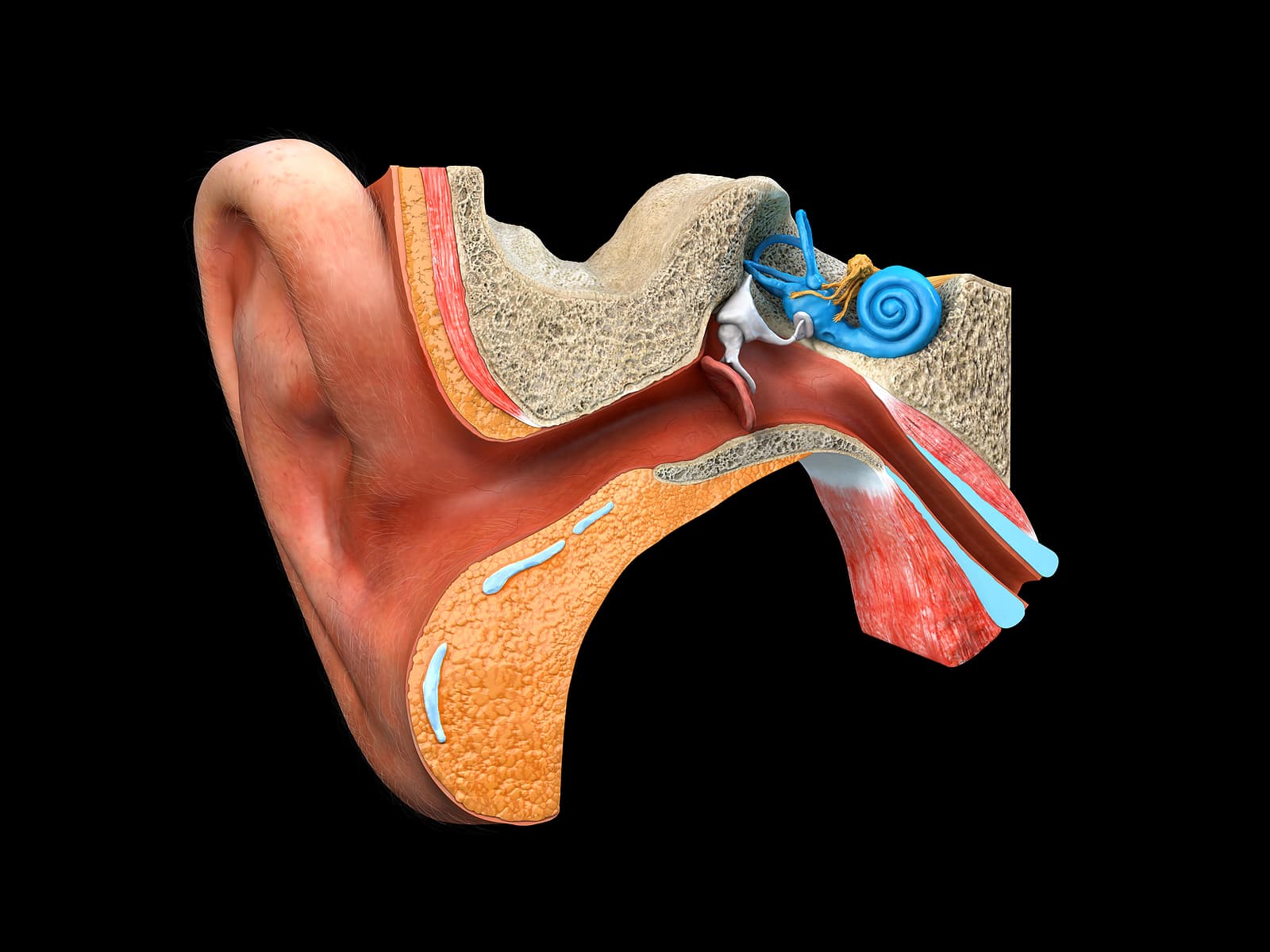
When researching hearing changes, tinnitus or balance problems, patients may come across two different terms: vestibular schwannoma and acoustic neuroma. This can create confusion when looking for reliable medical information.
Although the names are different, they refer to the same type of tumour. Vestibular schwannoma is now the preferred medical term because it more accurately describes where the tumour develops and the type of cells involved.
Understanding the terminology can help patients and families feel more informed when discussing diagnosis, imaging and treatment options with their specialist team.
Schwann cells form a protective covering around nerves and help support their normal function. In vestibular schwannoma, these cells grow abnormally around the vestibulocochlear nerve, also known as the eighth cranial nerve.
This nerve has two important roles:
Because the tumour develops on this nerve, it can affect both hearing and balance functions.
The term ‘acoustic’ suggests that the tumour develops specifically from the hearing portion of the nerve. In reality, vestibular schwannomas most commonly arise from the vestibular portion of the vestibulocochlear nerve, which is involved in balance.
Similarly, the term ‘neuroma’ suggests a different type of nerve growth. A vestibular schwannoma is not a true neuroma but a tumour arising from Schwann cells.
For these reasons, specialists increasingly use the term vestibular schwannoma, while recognising that many people searching for information may use the term acoustic neuroma.
Common symptoms include:
Symptoms often develop gradually, which means they may not always be immediately noticeable.
For example, some people may unconsciously adapt to reduced hearing in one ear or compensate for minor balance changes until symptoms become more significant.
A specialist may recommend:
MRI can provide detailed information about:
This information helps specialists determine the most appropriate management approach.
Possible approaches to vestibular schwannoma treatment include:
The aim is to control tumour growth while limiting exposure to nearby healthy tissue. Suitability depends on factors such as tumour size, location and the patient's overall clinical circumstances.
Whether you are researching symptoms, exploring treatment options or seeking a second opinion, understanding the terminology is an important first step.
With advances in imaging, specialist assessment and treatments such as Gamma Knife, patients with vestibular schwannoma can access increasingly personalised care pathways designed around their individual diagnosis.
Explore the Queen Square website to learn more about specialist assessment and treatment pathways for vestibular schwannoma, including advanced imaging, Gamma Knife radiosurgery and multidisciplinary neurological care.
Although the names are different, they refer to the same type of tumour. Vestibular schwannoma is now the preferred medical term because it more accurately describes where the tumour develops and the type of cells involved.
Understanding the terminology can help patients and families feel more informed when discussing diagnosis, imaging and treatment options with their specialist team.
What is a vestibular schwannoma?
A vestibular schwannoma is a usually slow-growing, non-cancerous tumour that develops from Schwann cells.Schwann cells form a protective covering around nerves and help support their normal function. In vestibular schwannoma, these cells grow abnormally around the vestibulocochlear nerve, also known as the eighth cranial nerve.
This nerve has two important roles:
- The cochlear portion helps transmit hearing signals from the inner ear to the brain
- The vestibular portion helps provide information about balance and movement
Because the tumour develops on this nerve, it can affect both hearing and balance functions.
Why is it also called an acoustic neuroma?
The term acoustic neuroma has been used for many years and remains widely recognised by patients, healthcare professionals and online medical resources. However, the name is not entirely accurate.The term ‘acoustic’ suggests that the tumour develops specifically from the hearing portion of the nerve. In reality, vestibular schwannomas most commonly arise from the vestibular portion of the vestibulocochlear nerve, which is involved in balance.
Similarly, the term ‘neuroma’ suggests a different type of nerve growth. A vestibular schwannoma is not a true neuroma but a tumour arising from Schwann cells.
For these reasons, specialists increasingly use the term vestibular schwannoma, while recognising that many people searching for information may use the term acoustic neuroma.
What symptoms can vestibular schwannoma cause?
Symptoms vary depending on the size and location of the tumour, as well as how it affects nearby nerves and structures.Common symptoms include:
- Hearing loss affecting one ear
- Persistent tinnitus (ringing, buzzing or other sounds in one ear)
- Balance difficulties or unsteadiness
- Dizziness
- A feeling of pressure or fullness in the affected ear
- Difficulty understanding speech, especially in noisy environments
Symptoms often develop gradually, which means they may not always be immediately noticeable.
For example, some people may unconsciously adapt to reduced hearing in one ear or compensate for minor balance changes until symptoms become more significant.
How is vestibular schwannoma diagnosed?
Diagnosis usually involves a combination of hearing assessments, clinical evaluation and advanced imaging.A specialist may recommend:
Hearing tests
Audiological assessments measure hearing ability and can identify patterns of hearing changes that may require further investigation.MRI scanning
Magnetic Resonance Imaging (MRI) is the main imaging technique used to identify vestibular schwannomas.MRI can provide detailed information about:
- The size of the tumour
- Its precise location
- Its relationship with nearby nerves and structures
- Whether it is affecting surrounding areas
This information helps specialists determine the most appropriate management approach.
What treatment options are available for vestibular schwannoma?
Management depends on the individual case. Some smaller tumours may be monitored with regular MRI scans and hearing assessments, while others may require active treatment.Possible approaches to vestibular schwannoma treatment include:
Monitoring
For selected patients, particularly those with small tumours and minimal symptoms, regular imaging may be recommended to track any changes over time.Surgery
Microsurgical removal may be considered in certain situations, particularly where the tumour is larger or causing significant effects on surrounding structures.Gamma Knife radiosurgery
For appropriately selected patients, Gamma Knife provides a non-invasive treatment option that delivers highly focused radiation to the tumour.The aim is to control tumour growth while limiting exposure to nearby healthy tissue. Suitability depends on factors such as tumour size, location and the patient's overall clinical circumstances.
Understanding the terminology
If you encounter the terms vestibular schwannoma and acoustic neuroma, it is important to know that they describe the same condition.Whether you are researching symptoms, exploring treatment options or seeking a second opinion, understanding the terminology is an important first step.
With advances in imaging, specialist assessment and treatments such as Gamma Knife, patients with vestibular schwannoma can access increasingly personalised care pathways designed around their individual diagnosis.
Explore the Queen Square website to learn more about specialist assessment and treatment pathways for vestibular schwannoma, including advanced imaging, Gamma Knife radiosurgery and multidisciplinary neurological care.