- News ›
- What New Treatments Are Being Investigated For Glioblastoma?
What New Treatments Are Being Investigated For Glioblastoma?
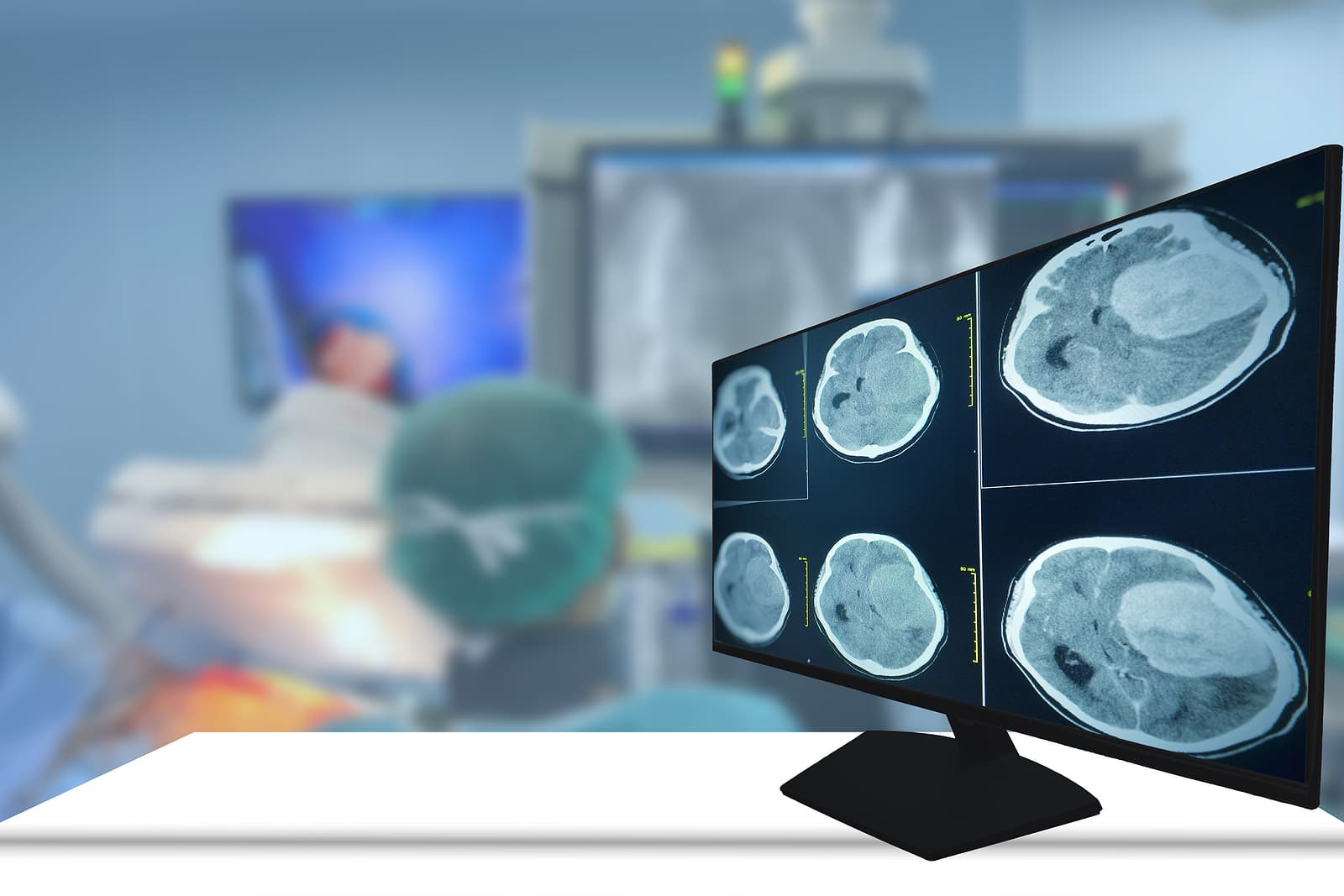
Glioblastoma is a complex brain tumour that can be challenging to treat. Although surgery, radiotherapy and chemotherapy remain important components of treatment, researchers are investigating new approaches that could make treatment more precise and effective.
Recent research has focused particularly on immunotherapy, personalised vaccines, targeted treatments and innovative ways of delivering therapies to the brain.
These approaches are still being studied, and most are currently available only through clinical trials or specialist research programmes.
Understanding what is being investigated can nevertheless help patients and families have more informed conversations with their clinical team.
The blood-brain barrier also presents a significant challenge. This protective system limits the movement of many drugs from the bloodstream into brain tissue.
As a result, researchers are exploring glioblastoma treatments that can identify specific characteristics of a tumour, stimulate the immune system or deliver treatment more effectively to the brain.
A vaccine can then be designed to encourage the immune system to recognise cells carrying those features.
A 2026 Phase 1 study published in Nature Cancer investigated a personalised DNA vaccine for patients with glioblastoma and reported that the treatment stimulated tumour-specific immune responses.
The study was small and designed primarily to assess safety and feasibility, so larger clinical trials are needed before conclusions can be drawn about its effectiveness.
Other research is investigating personalised dendritic-cell vaccines, which use immune cells to help stimulate a response against tumour-specific targets. A 2026 study reported encouraging early findings, but the approach remains investigational.
Researchers are investigating different targets and ways of overcoming the challenges presented by glioblastoma. A major difficulty is that glioblastoma cells can be biologically diverse, meaning that a target found on some tumour cells may not be present on others.
Recent research is therefore investigating CAR-T approaches capable of targeting multiple tumour features or both tumour cells and components of the tumour microenvironment.
A study highlighted in Nature Reviews Neurology in 2026 investigated CAR-T cells targeting GPNMB, a protein associated with both glioblastoma cells and certain supporting immune cells.
This approach begins with detailed molecular or genomic testing. Identifying genetic alterations can help researchers determine whether a tumour has a feature that could potentially be targeted with a particular treatment.
A 2025 Phase 1/2a study investigated several molecularly matched targeted therapies alongside radiotherapy in patients with newly diagnosed glioblastoma.
The results demonstrate the growing interest in using tumour profiling to guide treatment selection, although targeted therapy remains challenging because glioblastoma can contain multiple molecularly distinct cell populations.
Researchers are also investigating combinations of oncolytic viruses with immune-cell therapies.
These findings are promising from a research perspective, but laboratory and early-stage clinical results do not establish that a treatment is suitable or effective for individual patients.
Eligibility for a clinical trial depends on factors such as tumour characteristics, previous treatment, molecular findings, overall health and the specific requirements of the study.
For patients recently diagnosed with glioblastoma, a specialist review can help clarify the diagnosis, explain the available treatment options and determine whether additional molecular testing or a second opinion may be appropriate.
As research develops, the goal is increasingly to move towards treatment that is guided by the individual characteristics of each tumour rather than relying on a single approach for every patient.
Explore the Queen Square website to learn more about specialist glioblastoma assessment, advanced diagnostics and treatment planning for complex brain tumours.
Recent research has focused particularly on immunotherapy, personalised vaccines, targeted treatments and innovative ways of delivering therapies to the brain.
These approaches are still being studied, and most are currently available only through clinical trials or specialist research programmes.
Understanding what is being investigated can nevertheless help patients and families have more informed conversations with their clinical team.
Why are new glioblastoma treatments needed?
Glioblastoma contains different populations of tumour cells and can vary considerably from one patient to another. Genetic and molecular differences can influence how a tumour behaves and responds to treatment.The blood-brain barrier also presents a significant challenge. This protective system limits the movement of many drugs from the bloodstream into brain tissue.
As a result, researchers are exploring glioblastoma treatments that can identify specific characteristics of a tumour, stimulate the immune system or deliver treatment more effectively to the brain.
Personalised cancer vaccines
One of the most closely watched areas of research is personalised vaccination. Rather than using the same vaccine for every patient, researchers can analyse an individual's tumour to identify molecular features called neoantigens.A vaccine can then be designed to encourage the immune system to recognise cells carrying those features.
A 2026 Phase 1 study published in Nature Cancer investigated a personalised DNA vaccine for patients with glioblastoma and reported that the treatment stimulated tumour-specific immune responses.
The study was small and designed primarily to assess safety and feasibility, so larger clinical trials are needed before conclusions can be drawn about its effectiveness.
Other research is investigating personalised dendritic-cell vaccines, which use immune cells to help stimulate a response against tumour-specific targets. A 2026 study reported encouraging early findings, but the approach remains investigational.
CAR-T cell therapy
CAR-T cell therapy is another area attracting considerable research interest. CAR-T therapy involves modifying a patient's T cells so they can recognise a particular target on tumour cells.Researchers are investigating different targets and ways of overcoming the challenges presented by glioblastoma. A major difficulty is that glioblastoma cells can be biologically diverse, meaning that a target found on some tumour cells may not be present on others.
Recent research is therefore investigating CAR-T approaches capable of targeting multiple tumour features or both tumour cells and components of the tumour microenvironment.
A study highlighted in Nature Reviews Neurology in 2026 investigated CAR-T cells targeting GPNMB, a protein associated with both glioblastoma cells and certain supporting immune cells.
Targeted treatments and genomic testing
Researchers are also investigating whether treatment can be matched more closely to the molecular characteristics of an individual's tumour.This approach begins with detailed molecular or genomic testing. Identifying genetic alterations can help researchers determine whether a tumour has a feature that could potentially be targeted with a particular treatment.
A 2025 Phase 1/2a study investigated several molecularly matched targeted therapies alongside radiotherapy in patients with newly diagnosed glioblastoma.
The results demonstrate the growing interest in using tumour profiling to guide treatment selection, although targeted therapy remains challenging because glioblastoma can contain multiple molecularly distinct cell populations.
Oncolytic viruses and combination treatments
Another experimental approach uses oncolytic viruses. These are viruses that can be engineered to target tumour cells and potentially stimulate an immune response against the tumour.Researchers are also investigating combinations of oncolytic viruses with immune-cell therapies.
These findings are promising from a research perspective, but laboratory and early-stage clinical results do not establish that a treatment is suitable or effective for individual patients.
What does this mean for patients?
New glioblastoma treatments are being investigated across several different areas, but it is important to distinguish research findings from established treatments.Eligibility for a clinical trial depends on factors such as tumour characteristics, previous treatment, molecular findings, overall health and the specific requirements of the study.
For patients recently diagnosed with glioblastoma, a specialist review can help clarify the diagnosis, explain the available treatment options and determine whether additional molecular testing or a second opinion may be appropriate.
As research develops, the goal is increasingly to move towards treatment that is guided by the individual characteristics of each tumour rather than relying on a single approach for every patient.
Explore the Queen Square website to learn more about specialist glioblastoma assessment, advanced diagnostics and treatment planning for complex brain tumours.