- News ›
- When Should You Consider A Second Opinion For Glioblastoma?
When Should You Consider A Second Opinion For Glioblastoma?
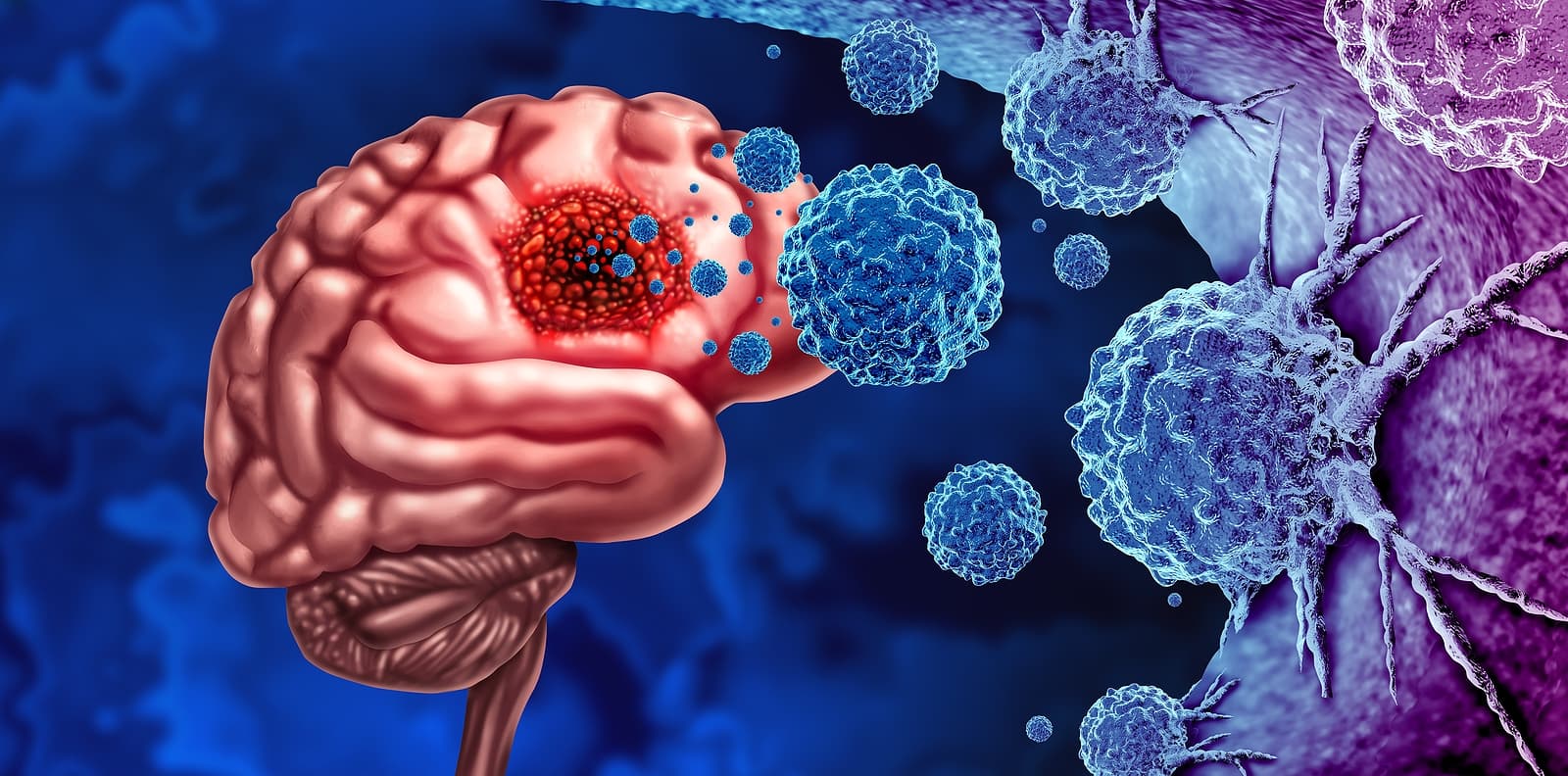
A glioblastoma diagnosis can bring a great deal of information to absorb in a short period of time. Patients and their families are often faced with unfamiliar medical terminology, complex treatment decisions and understandable uncertainty about the next steps.
In these circumstances, seeking a second opinion for cancer diagnostics can provide additional clarity and reassurance. It does not necessarily mean that the initial diagnosis or treatment recommendation is incorrect.
Instead, it offers an opportunity to confirm the diagnosis, review available treatment options and ensure that decisions are based on the most up-to-date evidence and specialist expertise.
The reviewing team provides an independent assessment based on the available medical information and may recommend:
In many cases, the second opinion supports the original recommendations, giving patients greater confidence as they move forward with treatment.
Advances in neuro-oncology have led to significant improvements in imaging, molecular diagnostics and personalised treatment strategies. Specialist centres routinely consider a wide range of clinical factors, including:
Because treatment decisions are based on multiple sources of information, having another experienced team review the diagnosis can be valuable, particularly in complex cases.
A second opinion provides an opportunity to discuss:
Understanding the reasons behind each recommendation can help patients feel more confident in their decisions.
Markers such as:
can contribute valuable information for diagnosis and treatment planning.
If these investigations have not yet been completed or explained, a second opinion may help clarify whether additional testing would be beneficial.
Specialist review can help determine whether additional imaging or investigations are needed and whether the treatment plan should be reconsidered.
Specialist neuroscience centres often bring together consultants with extensive experience in neuro-oncology, advanced imaging, neuropathology and neurosurgery, allowing treatment recommendations to be considered from multiple expert perspectives.
The specialist team may review:
This information helps build a complete picture of your diagnosis before discussing possible treatment pathways.
Patients are encouraged to ask questions and discuss any concerns they have about their diagnosis or treatment recommendations.
If a second opinion is being considered, it is generally advisable to discuss this with your current healthcare team as early as possible so that medical records, imaging and pathology can be shared promptly.
Learn more about Queen Square Neuroscience Health Centre's specialist second opinion service for glioblastoma, including advanced diagnostics, molecular testing and multidisciplinary treatment planning.
In these circumstances, seeking a second opinion for cancer diagnostics can provide additional clarity and reassurance. It does not necessarily mean that the initial diagnosis or treatment recommendation is incorrect.
Instead, it offers an opportunity to confirm the diagnosis, review available treatment options and ensure that decisions are based on the most up-to-date evidence and specialist expertise.
What is a second opinion for cancer diagnostics?
A second opinion involves asking another specialist or multidisciplinary team to review your diagnosis, imaging, pathology results and proposed treatment plan.The reviewing team provides an independent assessment based on the available medical information and may recommend:
- Confirmation of the original diagnosis
- Further investigations
- Additional molecular or genomic testing
- An alternative treatment approach
- Participation in an appropriate clinical trial, where available
In many cases, the second opinion supports the original recommendations, giving patients greater confidence as they move forward with treatment.
Why can second opinions be valuable for glioblastoma?
Glioblastoma is a complex brain tumour that requires highly specialised assessment and treatment planning.Advances in neuro-oncology have led to significant improvements in imaging, molecular diagnostics and personalised treatment strategies. Specialist centres routinely consider a wide range of clinical factors, including:
- MRI findings
- Surgical outcomes
- Neurological symptoms
- Pathology reports
- Molecular and genomic markers
- Overall health and individual circumstances
Because treatment decisions are based on multiple sources of information, having another experienced team review the diagnosis can be valuable, particularly in complex cases.
Situations where a second opinion may be helpful
There is no single reason to seek a second opinion, but it may be worth considering if:You have recently received a diagnosis
Many patients wish to confirm that the diagnosis is accurate before beginning treatment. Modern classification of glioblastoma relies not only on microscopic examination but also on molecular features, making specialist review particularly valuable.You want to better understand your treatment options
Treatment planning for glioblastoma is highly individualised.A second opinion provides an opportunity to discuss:
- The goals of treatment
- The recommended sequence of therapies
- Alternative approaches where appropriate
- Questions about expected outcomes and follow-up
Understanding the reasons behind each recommendation can help patients feel more confident in their decisions.
Molecular testing has not been discussed
Genomic and molecular testing now plays an important role in glioblastoma diagnosis.Markers such as:
- IDH mutation status
- MGMT promoter methylation
- Other molecular features identified through specialist pathology
can contribute valuable information for diagnosis and treatment planning.
If these investigations have not yet been completed or explained, a second opinion may help clarify whether additional testing would be beneficial.
Your symptoms have changed
If neurological symptoms change unexpectedly or new symptoms develop, further assessment may be appropriate.Specialist review can help determine whether additional imaging or investigations are needed and whether the treatment plan should be reconsidered.
You would like access to a specialist centre
Some patients choose to seek a second opinion from a centre with particular expertise in complex brain tumours.Specialist neuroscience centres often bring together consultants with extensive experience in neuro-oncology, advanced imaging, neuropathology and neurosurgery, allowing treatment recommendations to be considered from multiple expert perspectives.
What happens during a second opinion consultation?
The consultation usually begins with a detailed review of your medical history and previous investigations.The specialist team may review:
- MRI scans
- Pathology reports
- Surgical findings
- Genomic or molecular test results
- Previous clinic letters
- Current symptoms
This information helps build a complete picture of your diagnosis before discussing possible treatment pathways.
Patients are encouraged to ask questions and discuss any concerns they have about their diagnosis or treatment recommendations.
Will a second opinion delay treatment?
Many patients worry that seeking a second opinion could significantly delay treatment. In practice, specialist centres understand the importance of timely assessment for glioblastoma and aim to review referrals as efficiently as possible.If a second opinion is being considered, it is generally advisable to discuss this with your current healthcare team as early as possible so that medical records, imaging and pathology can be shared promptly.
Making informed decisions
Whether the second opinion confirms the original recommendations or identifies additional options to consider, the process can provide valuable clarity at an important stage of the treatment journey.Learn more about Queen Square Neuroscience Health Centre's specialist second opinion service for glioblastoma, including advanced diagnostics, molecular testing and multidisciplinary treatment planning.